Hark raises $700M at $6B to build an AI-native interface with bespoke hardware
The San Jose lab says its agentic, multimodal assistant ships this summer, with next-gen hardware to follow and training on a new NVIDIA B200 data center.
By Ryan Merket ·
Why it matters
Personal AI will not break out of the novelty box until it controls context, memory, and the device itself. Hark is betting that owning both the models and the hardware is the way to get there. A $700M Series A, B200-class compute, and a hiring blitz signal investor appetite for AI-native interfaces that move beyond phones and laptops. If Hark delivers, it could reset expectations for how consumers and knowledge workers interact with software.
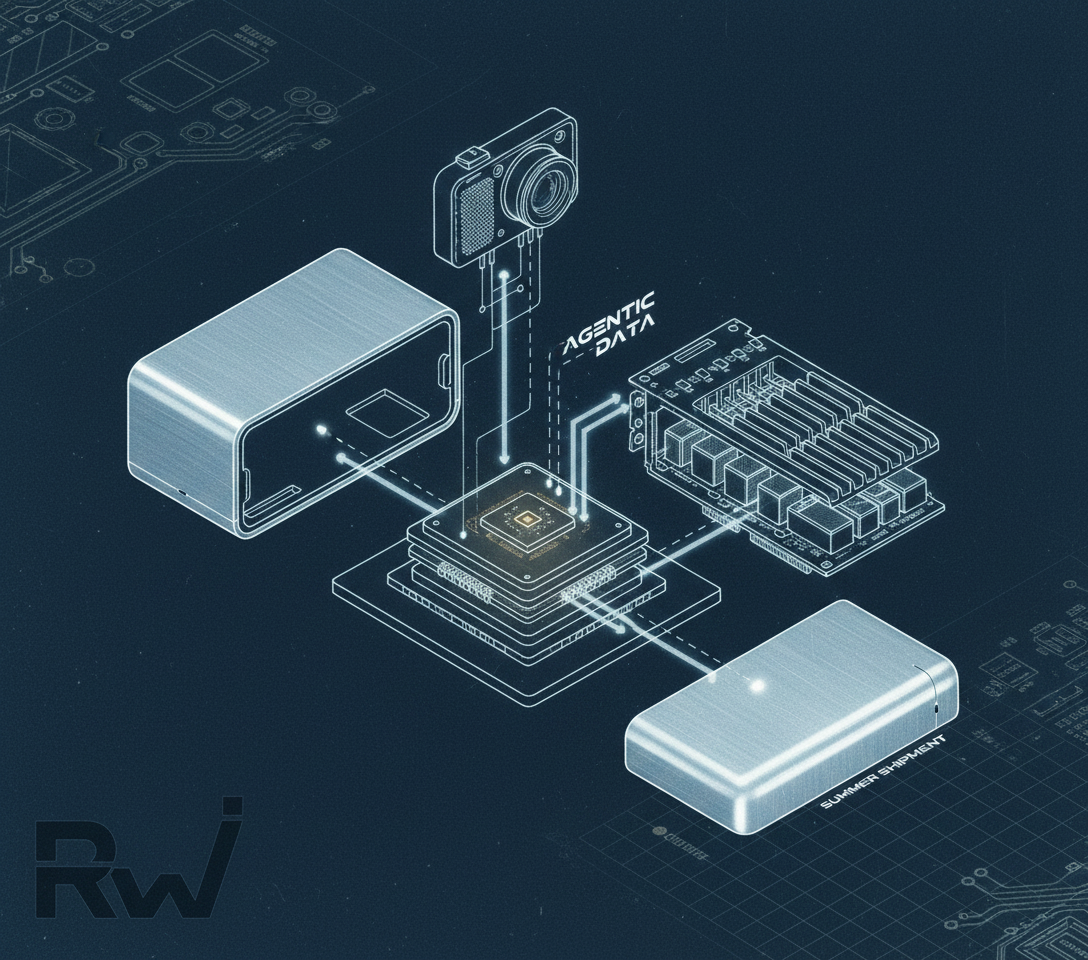
Hark, an AI lab building a personal intelligence, has raised over $700 million in Series A funding at a $6 billion post-money valuation, the company said in a blog post. Parkway Venture Capital led the round, which Hark says was oversubscribed, with participation from NVIDIA, Align Ventures, AMD Ventures, ARK Invest, Brookfield, Greycroft, Intel Capital, Prime Movers Lab, Qualcomm Ventures, Salesforce Ventures, and Tamarack Global.
The raise backs a full-stack bet to rethink how people use computers. Hark says it is pairing its own foundation models with bespoke hardware to create a universal interface between humans and machines. The lab plans to release an AI platform this summer and follow with AI-native hardware intentionally designed to work with Hark's models.
Aligned News framed the move as a wager that phones and laptops are not the final interface for personal AI in a thread on X. Hark's post makes a similar case, arguing that a tightly integrated model-plus-device stack is how you turn promising AI into a human-first experience. As the company put it in its announcement, it is "pairing our own foundation models with bespoke hardware to create a universal interface between humans and machines."
On the software side, Hark describes an agentic, multimodal assistant that remembers who you are and what you say, works across the products and services you already use, and manages your digital world. The aim is a "caring, capable assistant that eventually acts with human-level intuition," the company wrote. To support that ambition, Hark says it will train its next generation of models at a new NVIDIA B200 data center.
Hark also highlighted speed and focus as advantages. "We're still a lean startup... without the burden of existing product lines and legacy code, we don't have to wedge AI into something that already exists," the team wrote in the post. That clean-slate posture is reflected in the org chart: over the past several months, Hark says the team has grown to around 70 people and is hiring across foundation models, computer use agents, embedded software, hardware engineering, design, and infrastructure roles at its San Jose headquarters. The company lists open roles on its careers page.
Details on the hardware are still under wraps. The announcement did not include device photos, specs, or pricing, only that the next generation of hardware will be AI-native from the start and integrate with Hark's models. The platform itself is positioned as multimodal from day one, with speech, text, and vision, and persistent memory designed to enable more natural back-and-forth interactions.
For founders and operators watching the AI interface race, Hark's approach is notable for committing to both sides of the stack early. If the company can ship a useful assistant this summer and follow quickly with compelling hardware, that end-to-end integration could set a high bar for what a personal AI can do outside the browser or app grid.
Hark's announcement lives alongside an aggressive recruiting push and a clear thesis about where the interface is going. The near-term milestone is the summer platform release. What follows, and how it feels in the hand, is the test of the bet Hark is making.