America.gov's in-house model claim leaves Gemini, Grok and Bedrock unexplained
The October 17th note claims a 5x speedup from an in-house model, while provider disclosures point to Gemini, Grok and an Amazon Bedrock code path.
By Ryan Merket · Published
Primary source: America.gov / GSA
Why it matters
America.gov is becoming the federal government's public AI front door, first for answers from official websites and later for forms and applications. The model behind each step determines who processes a prompt, which safeguards apply, why an answer changed, and where accountability sits when the system is wrong. An unexplained in-house claim layered over Gemini, Grok and a Bedrock code path leaves the public unable to tell which company or government component produced a given result.
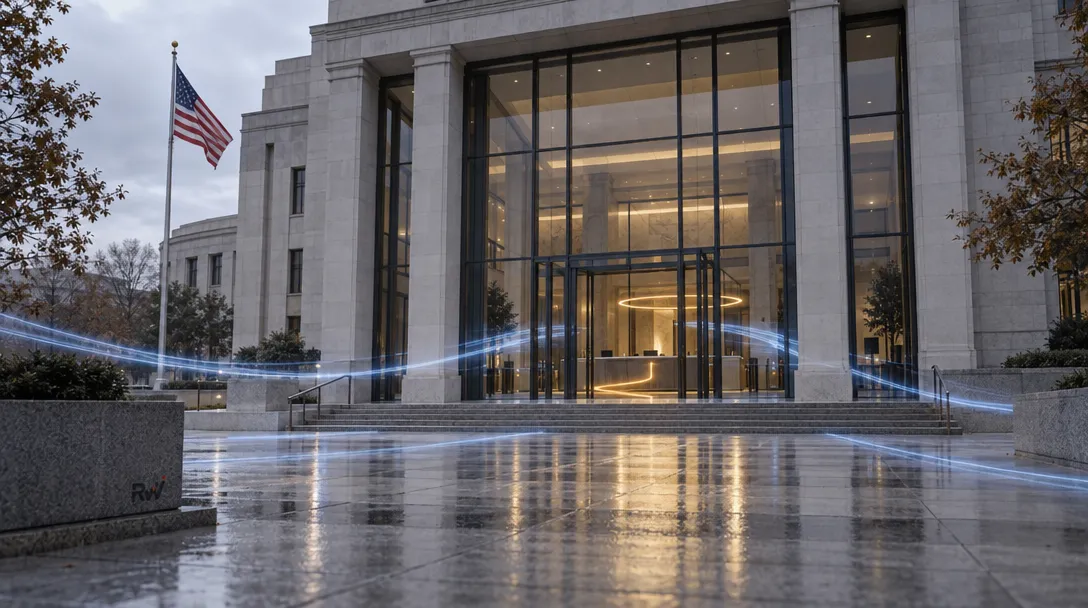
America.gov says it trained its own model. The public record around the federal AI portal points to a more complicated stack, with Google's Gemini and xAI's Grok reported at launch, unnamed "SI providers" in the privacy policy, and an Amazon Bedrock reference in the chat bundle.
The question is narrow and consequential: what did the General Services Administration actually build, and which commercial systems still answer, route, filter or recover responses when a member of the public asks the government a question?
The in-house claim…
When you purchase through links in our articles, we may earn a small commission. This doesn’t affect our editorial independence.