carrier-explode makes phone firmware searchable for carrier settings
Maintainer Alec Dusheck began by inspecting iPhone carrier bundles by hand. The project's homepage says version 2.0 is out, with a much-improved backend and decoders still in development.
By Ryan Merket · Published
Primary source: carrier-explode
Why it matters
carrier-explode makes fragmented mobile-firmware settings queryable across three phone platforms and publishes the results for reuse. Its usefulness depends on decoder accuracy and on users treating firmware configuration as evidence, not proof of real-world network service.
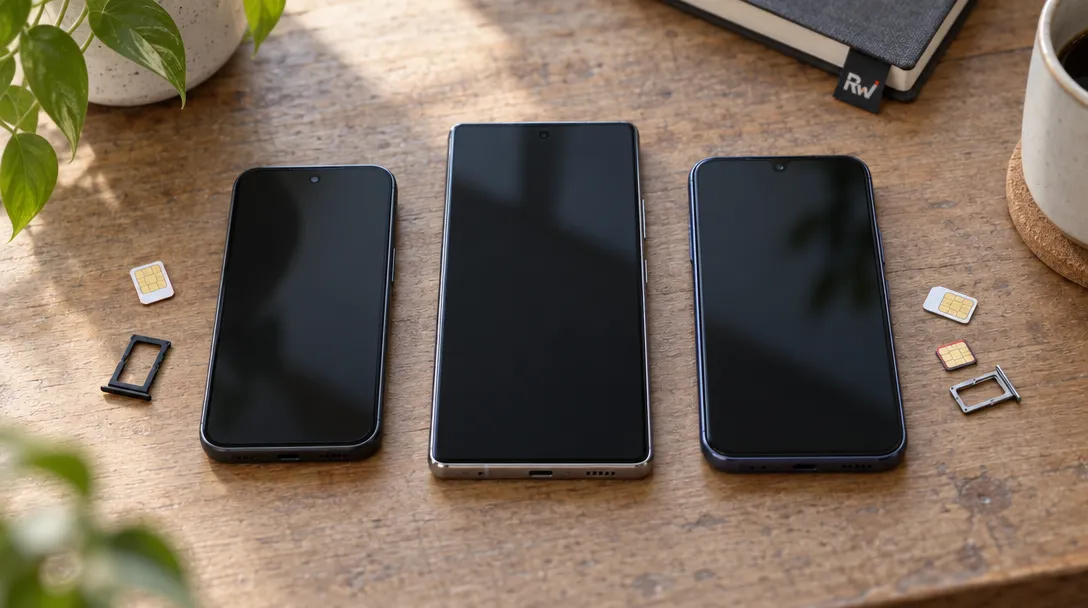
carrier-explode turns carrier configuration files buried in iPhone, Pixel and Galaxy firmware into data people can search and compare. Maintainer Alec Dusheck built it while investigating how iOS handles cell-broadcast alerts for Indian carriers. The project's homepage says version 2.0 is out with a much-improved backend, while its decoders remain in development. A separate GitHub commit is titled v2.1.
In the project's README, Dusheck says investigating those alerts meant inspecting Apple's CommCenter software and carrier bundles manually. A small viewer grew into a cross-platform tool for inspecting the settings phones receive from carriers.
The project aims to make hard-to-parse firmware useful to people with questions about mobile service and publish decoded results in formats others can reuse. The code is MIT-licensed, and its daily dataset is released under CC0. The API documentation describes access as available at no charge and without a key. A v2.1 API change requires clients to identify themselves with a descriptive User-Agent and returns a 403 to unnamed default clients.
From firmware files to searchable settings
The web interface lets users look up a carrier's access-point names, voice-over-LTE, Wi-Fi Calling and 5G settings by phone platform. They can compare carriers or software versions, filter for features they need, and inspect what changed in a build. The API documentation adds routes for SIM-based configuration lookup and modem data.
The work starts with public firmware and update downloads from Apple, Google and Samsung, according to the repository. carrier-explode extracts and decodes those files, then organizes the results behind a website and API. The project's documentation describes an automated pipeline using Cloudflare Workers for ingestion and serving, with R2 object storage and a D1 database for indexing. Source files are spread across vendor downloads and arrive in different formats. A one-off extraction would answer one question, while a refreshed index can support comparisons as builds change.

The daily dataset page lists the archive at 8.39 MiB and says it was updated October 9th. It packages the API's answers for reuse. The format includes carrier and country records, feature states, builds, and decoded Pixel and Galaxy settings. The dataset documentation says it does not include Apple's native settings files. Users get decoded data and references to its source, not a wholesale mirror of every original file.
Useful evidence, not a network guarantee
The project's broad interface can make a carrier feature look like a simple yes-or-no field. In practice, the configuration files show what a device's firmware contains or is configured to support. They do not prove that a feature will work for every combination of phone, SIM, account and live network. For services such as Wi-Fi Calling and 5G, carrier policy and device compatibility also shape the result.
Dusheck's release note says the decoders are still being worked on, and the site invites contributions. A decoder can expose settings only when it can interpret them correctly, and firmware formats vary by vendor and device. The public repository makes the methods inspectable and offers contributors a route to extend them, but the data's coverage remains a work in progress.
Dusheck's LinkedIn profile lists him as a co-founder of Connect To Care and says it raised and donated more than $100,000 in food, clothing, and technology for Twin Cities residents.
carrier-explode's next test is whether outside users find enough value in its decoded data to help improve it. The current materials establish a working web product, an API and a reusable dataset. They do not establish a customer base or commercial model. For now, the clearest payoff is for researchers, developers and technically curious users who want to inspect what carriers and handset makers encode in firmware without repeating the extraction work from scratch.