Colossal's AI maps about 2,300 dodo gene-editing targets for testing
Colossal CEO Ben Lamm says GenoMorph uses data from more than 70 bird species to prioritize edits; the predictions still need to be tested in the lab.
By RuntimeWire Staff · Published
Primary source: TechCrunch
Why it matters
GenoMorph shows how Colossal is turning de-extinction research into computational biology infrastructure. Its 2,300 dodo targets are a starting point for experiments, not validated edits or proof of a commercial product.
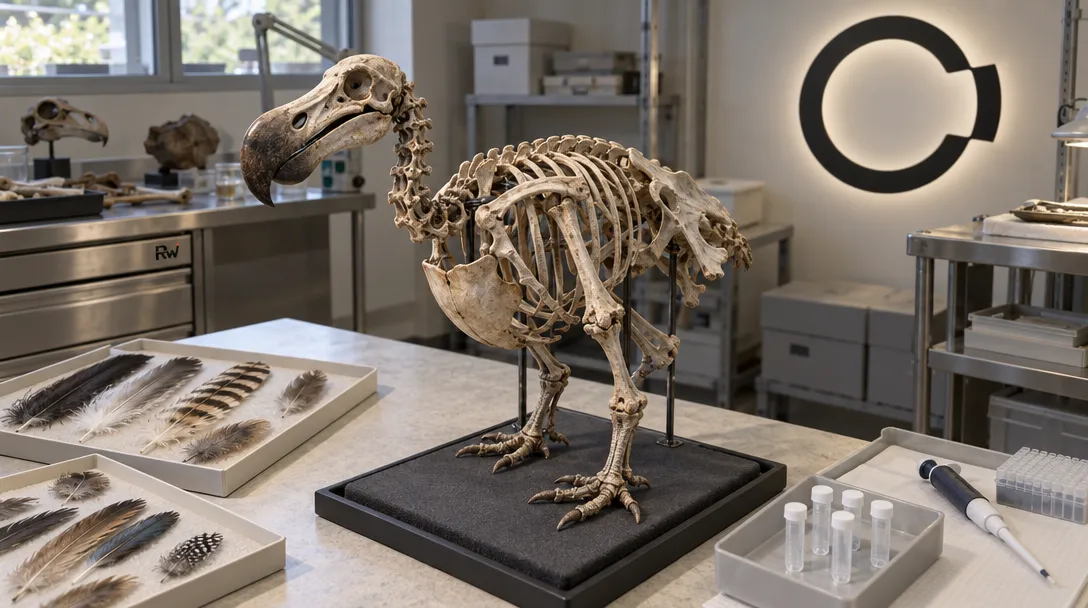
Colossal says its GenoMorph AI combines developmental and comparative data from more than 70 bird species to prioritize roughly 2,300 candidate gene-editing targets tied to dodo appearance. The company emphasizes these are testable hypotheses, not validated edits, and plans lab experiments using lipid nanoparticles and Nicobar pigeon cells to evaluate effects. The announcement also drew an outside financing signal via NeoGenesis Capital, while GenoMorph is presented as an internal research tool rather than a commercial product.
Colossal Biosciences co-founder and CEO Ben Lamm says Colossal has built an AI platform to help researchers choose which genetic changes to test as it works toward recreating dodo traits. The system, called GenoMorph, has surfaced approximately 2,300 candidate targets, according to TechCrunch's report on the October 14th announcement.…
When you purchase through links in our articles, we may earn a small commission. This doesn’t affect our editorial independence.