Comma AI sells hands-free driving for 325-plus cars, driver still required

Comma four runs openpilot without a required subscription, though the Level 2 system launched in November 2025 and still demands an attentive driver.

By · Published

Primary source: X

Why it matters

Hotz's retrofit strategy lets Comma AI reach across brands and model years without waiting for new-car cycles, while keeping an attentive driver responsible for every mile.
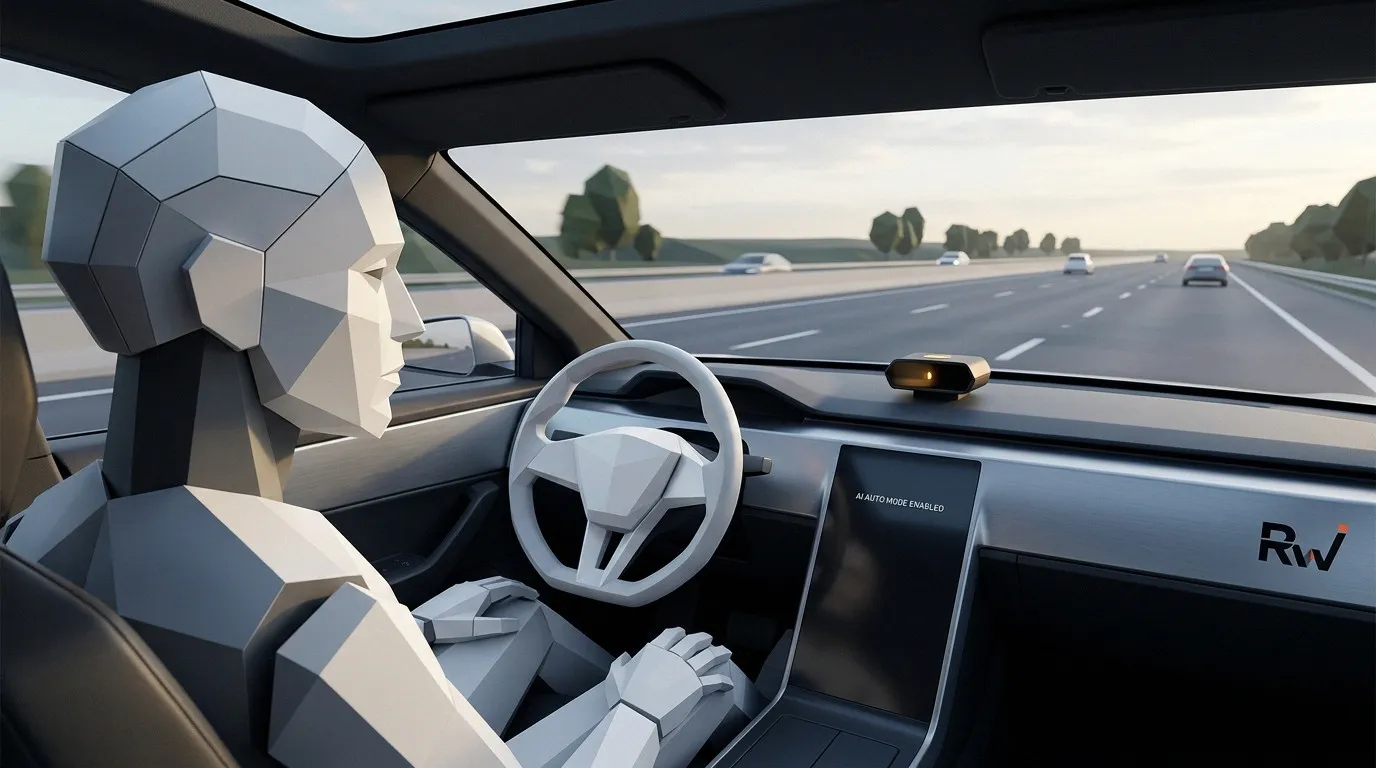
Comma AI sells hands-free driving for 325-plus cars, driver still required

George Hotz (@realGeorgeHotz)'s Comma AI used a September 5th post on X to pitch subscription-free, hands-free driving for cars that owners already have. The hardware behind that pitch is comma four, a windshield-mounted computer that runs Comma AI's open-source openpilot software.

Comma AI on X

The post does not mark a new hardware launch. Comma AI introduced comma four on November 25th, 2025, at COMMA_CON 2025. The September promotion restates the same retrofit proposition nine months later: spend once on hardware, plug it into a compatible car and replace parts of the factory driver-assistance experience without buying a new vehicle.

That proposition has been Hotz's bet for a decade. Before founding Comma AI in 2015, Hotz became known as "geohot" for jailbreaking the iPhone as a teenager and reverse-engineering Sony's PlayStation 3. He approached modern vehicles as another collection of software-controlled systems waiting for a better interface. Openpilot connects to a car's CAN network and issues constrained steering, acceleration and braking commands through electronics the vehicle already uses for driver-assistance features.

Hotz built Comma AI around shipping useful stages of a much longer autonomy project. In 2019, he described the mission as "solve self driving cars while delivering shippable intermediaries." Comma four is the commercial version of that discipline: a product drivers can install today while Comma AI keeps training driving models on fleet data.

The numbers require some unpacking

Comma AI's marketing says openpilot supports more than 325 vehicles across 27 brands. The current openpilot compatibility documentation lists 335 supported cars, while Comma AI's consumer-facing compatibility page retains the broader "325+" language. Those totals include model years, trims and equipment packages, so the number does not represent 335 entirely distinct vehicle platforms.

Compatibility remains unusually broad for a driver-assistance product. The list spans cars and trucks from Toyota, Honda, Hyundai, Kia, Ford, Subaru, Volkswagen, Tesla and other manufacturers. That cross-brand reach is the advantage of Hotz's retrofit strategy. Factory systems are generally tied to a manufacturer's own vehicles and, frequently, to particular model years or option packages. Comma AI can address an installed base assembled by many automakers over many years.

The breadth also creates engineering work that a single-brand system avoids. Each supported configuration must expose usable steering, braking and acceleration controls, and the required harness varies by vehicle. Some integrations preserve the manufacturer's adaptive cruise control, while others let openpilot handle longitudinal control. The compatibility table carries model-specific speed thresholds, steering limits and package requirements that the headline vehicle count cannot convey.

Comma AI has also changed the installation estimate. The 2025 launch post said owners could unbox and begin driving in five minutes. The current Comma AI shop tells buyers to expect a 15-minute setup. Both qualify as a quick aftermarket installation, though the newer estimate is the more useful expectation for buyers.

Comma AI lists comma four at $999 on its product page. On September 5th, the main storefront also displayed a promotional $899 price and a $699 price after trading in any previous Comma AI device. The package includes the windshield hardware and a vehicle-specific harness.

Subscription-free applies to driving

Comma AI does not require a monthly payment for openpilot's core driving functions. Owners can configure comma four without an account, and the product FAQ says Comma Prime is optional.

Comma AI still sells subscriptions around the device. Comma Prime costs $24 per month in the United States after a free month and adds cellular data, longer cloud video storage and remote access features. Buyers can skip it without losing adaptive cruise control, automated lane centering, lane-change assistance or driver monitoring.

That distinction matters because factory hands-free products increasingly arrive inside bundles of hardware packages, connected services and recurring fees. Hotz's one-time hardware model gives Comma AI a direct relationship with the driver and keeps the essential software available without an ongoing bill.

The hardware sale also supplies Comma AI with training data when users participate. The openpilot repository says the software uploads driving data by default, with an option to disable collection. Logged information can include road-camera footage, CAN traffic, GPS, motion sensors and system logs. Driver-facing video and microphone data require a separate opt-in. Each participating installation therefore produces both hardware revenue and examples that can be used to improve future driving models.

Comma AI says openpilot has more than 20,000 active users and has run during a fleet total exceeding 300 million miles. Comma AI also says drivers engaged openpilot for more than 56% of those miles. The figures are self-reported and do not establish safety performance, but they show how the retrofit model gives Comma AI a real-world data pipeline without owning a test fleet.

Hands-free still means eyes on the road

Openpilot remains a Level 2 driver-assistance system. The "hands-free" label refers to camera-based driver monitoring instead of repeated steering-wheel nags. It does not permit eyes-off driving.

Comma AI's own limitations documentation says drivers must remain alert, watch the road and be prepared to retake control immediately. The system can struggle with heavy rain, snow, fog, construction zones, sharp curves, obstructed cameras and abrupt braking situations. Its steering and braking authority is deliberately limited so a human can override it.

That boundary is central to evaluating comma four. The device can reduce the mechanical workload of highway driving across a far larger collection of existing vehicles than a factory-only system can cover. It cannot assume responsibility for the trip.

Hotz's original insight has survived several hardware generations: millions of usable cars already contain electronically controlled steering, gas and brakes. Comma AI sells the computer, cameras and software needed to make better use of them. Comma four packages that idea into smaller hardware built at Comma AI's San Diego factory, while openpilot's open-source contributors help extend support to additional vehicles.

The result is a rare consumer AI product that upgrades an expensive machine its owner already possesses. Its value depends on disciplined marketing and equally disciplined driving. Comma AI can remove the subscription and the wheel nag. The person behind the wheel remains part of the system.

Reader comments

Conversation for this story loads after sign-in.