Alex Gibney's 225-minute Musk documentary opens in US theaters October 16th
After its September 8th Venice premiere, the film gets a nationwide US theatrical release. Festival credits list four production companies and a cast that includes former partners Justine Wilson and Ashley St. Clair.
By Ryan Merket · Published
Primary source: WIRED
Why it matters
For founders and operators, *Musk* puts a familiar tension on screen: a company can depend on teams and institutions while the founder dominates its public identity. Gibney's film also raises the practical question of how audiences should weigh testimony, archival statements and editorial framing when a founder's personal conduct is part of the story.
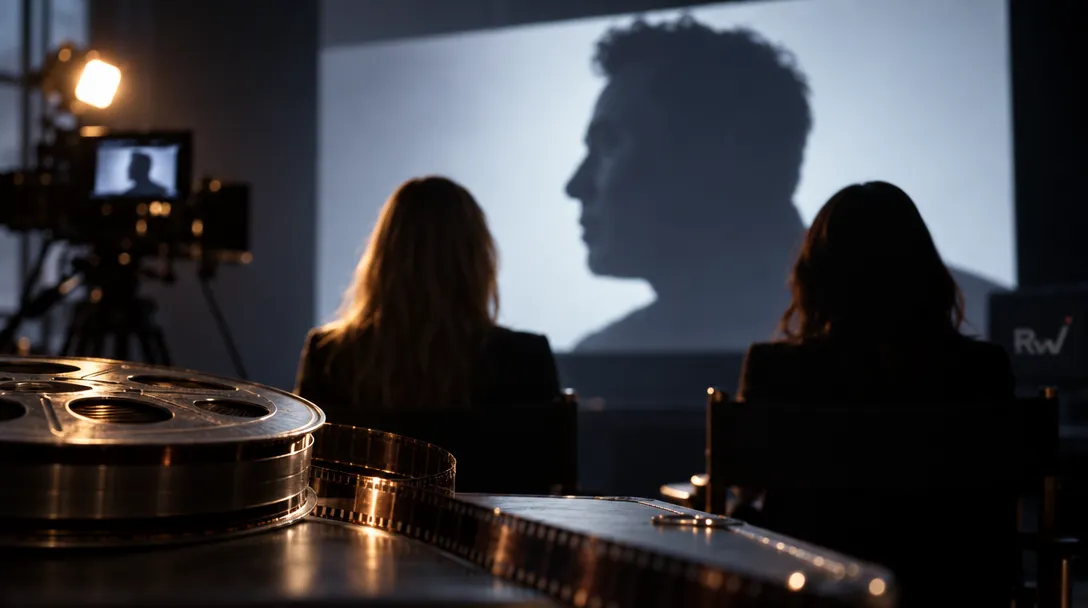
Alex Gibney's documentary Musk is scheduled to open in US theaters nationwide on October 16th, following a WIRED review published October 5th. The film premiered at Venice on September 8th. The festival listing gives it a running time of 225 minutes, plus a 10-minute intermission, and credits four production companies: Jigsaw Productions, Closer Media, Anonymous Content and Double Agent.
The Venice listing names Alex Gibney as director and screenwriter, Michael J. Palmer as editor, and Benjamin Bloodwell as cinematographer. Its listed cast includes Justine Wilson, Ashley St. Clair, journalist Kara Swisher, former Tesla president Martin Eberhard, journalist Zoe Schiffer and AI researcher Geoffrey Hinton. The credits identify the film's production companies and participants; they do not establish how the documentary tests claims made by those participants.
The film spans Musk's business record and public life. In its review, WIRED describes coverage ranging from Mars plans and Tesla crashes to Musk's political activity, alongside interviews with former employees, technology figures and journalists. That scope makes the documentary a portrait of a founder whose companies' public identity is strongly associated with one person, even as the work behind them involves much larger organizations.
In an Associated Press interview, Gibney described the film as a portrait of 21st-century power. He said he began the project as an admirer of Musk and identified Musk's ability to persuade people to invest in his companies through confident visions of the future as central to his influence.
The AP reported that Musk did not sit for an interview with Gibney. Instead, the film uses a computer-generated version of Musk synced to statements he made publicly in earlier interviews. That gives the film archival words from Musk, rather than a new interview in which he could address the documentary's reporting or the other participants' accounts. The AP also reported that Musk called the film a "hit piece." The material available for this article does not establish whether Musk or his representatives responded individually to the claims made by the film's interviewees.
Wilson, Musk's first wife, and St. Clair, a writer and former conservative influencer, are among those interviewed. WIRED's review says Wilson discusses the death of their first child and Musk's comments about their transgender daughter. St. Clair alleges that Musk offered her $40 million for an agreement that would have prevented her from discussing him; the review presents that as her allegation, not as a verified offer or payment. The same review describes the film's wider cast of former employees, technology figures and journalists, making the accounts part of a broader examination rather than a record that independently resolves each dispute.
The festival's production credits identify the production companies and participants, while the AP interview records Gibney's stated approach. The documentary's claims and its subjects' accounts remain distinct from independent verification of the events they describe.