OpenAI folds college applications into ChatGPT for teens
The planned U.S. tool will track applications and financial aid as OpenAI reports early teen usage amid criticism of its safety protections.
By Ryan Merket · Published
Primary source: X
Why it matters
College Planner could keep ChatGPT involved throughout students' application process. Its rollout comes amid a direct dispute over whether the teen safeguards OpenAI says are on by default work reliably in high-risk conversations.
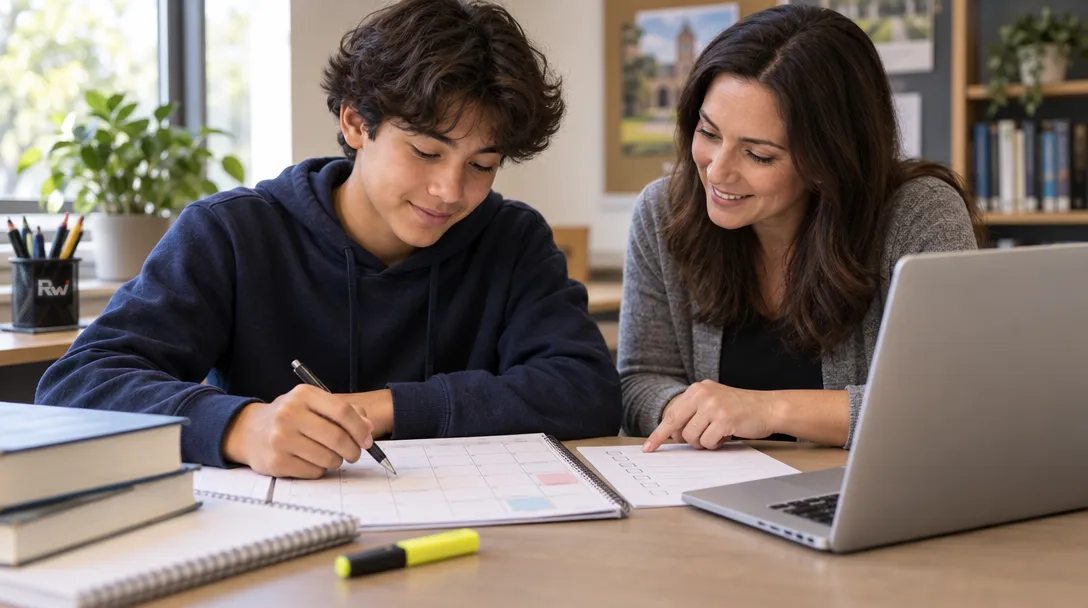
OpenAI plans to add a College Planner to ChatGPT for Teens, extending its chatbot from study help to the deadlines, applications and financial-aid steps facing high-school students applying to four-year colleges. The announcement arrived October 7th alongside new study features and a Common Sense Media assessment that called the teen experience an unacceptable risk for users under 18.
OpenAI says the planner will gather requirements, deadlines, tasks and financial-aid steps for the schools a student is considering. Students will be able to track progress, explore scholarships and fee waivers, and ask ChatGPT what application requirements mean. The initial U.S. version is intended for students in grades 10 through 12; OpenAI says it plans to expand to other countries and include two-year colleges, technical colleges and trade schools later. The company has not given a release date. For now, College Planner is a preview, not an available product.
OpenAI says hundreds of thousands of U.S. teens already use ChatGPT each week to plan for college. A centralized checklist could bring students back as deadlines approach, with the chatbot answering questions about admissions and affordability. OpenAI says the tool is meant to help students organize the work, with counselors, advisers and families still involved in choosing where to apply.
College Advising Corps, a nonprofit that places recent college graduates in under-resourced high schools, will receive OpenAI support to expand into new states and establish an AI fellowship. Advisers in participating states will test ways to use AI in college guidance. The arrangement puts the planning tool alongside human advisers who can help students weigh their options.
OpenAI also reported early usage figures for ChatGPT for Teens, which it introduced on August 18th. The company says nearly 1.2 million teens used Learning Visualizations in one week and more than 180,000 used Study Mode. It says teens spend an average of under 15 minutes a day on ChatGPT, and that teens with access to the teen experience sent about 2.7 million more learning-related messages on average than those who did not yet have access. Those are company-reported measures; they describe activity, not whether students learned more or whether the safeguards reliably work.
The same day, Common Sense Media's Youth AI Safety Institute published an assessment based on more than 4,000 prompts tested before and after the August launch. The institute said parent alerts failed to appear in tests involving extended conversations about self-harm and eating disorders, and that its testers could bypass Study Mode. It rated ChatGPT for Teens an unacceptable risk and called for OpenAI to stop offering it to minors until the problems are addressed.
OpenAI disputed the testing. In a statement to Education Week, a company spokesperson said the tests did not accurately reflect how the teen safeguards work in practice or expert views on how AI can support teens. OpenAI also pointed to technical errors that it believes prevented some protections, including parent notifications, from activating correctly. The disagreement centers on whether the safeguards activate when needed and whether parents can rely on them.
The institute disclosed that it receives funding from philanthropy and industry, including the OpenAI Foundation, and said it is editorially independent and responsible for its own testing and conclusions. The disclosure does not resolve the methodological dispute between the organization and OpenAI.
Other changes OpenAI announced include features teens can use now. Teens can photograph multiple pages of notes on iOS and combine them into a PDF, then create flashcards and interactive quizzes from their material. OpenAI says it is working to bring the multi-photo feature to Android. It also said it will support Boston Children's Hospital's Digital Wellness Lab and its student advisory council for three years. The program expects to involve about 22 students during the 2026-27 school year, who will test tools and recommend changes to safety defaults, parental controls and notifications.
The planner's value will depend on the quality of its application guidance, while its use by minors will depend in part on whether families and educators trust its safeguards. The Common Sense Media review disputes whether those protections work in high-risk conversations.