Sante raises $15M to turn liquor-store software into a sales engine
Founder Darren Fike began by working nights at a New York wine shop; the funding backs Sante's move from automating store operations to helping retailers drive purchases.
By RuntimeWire Staff · Published
Primary source: PR Newswire
Why it matters
Sante is betting that point-of-sale and inventory data can help independent liquor stores decide what to sell and how to market it. The company reports substantial platform activity, but it has not disclosed revenue or defined its growth claim.
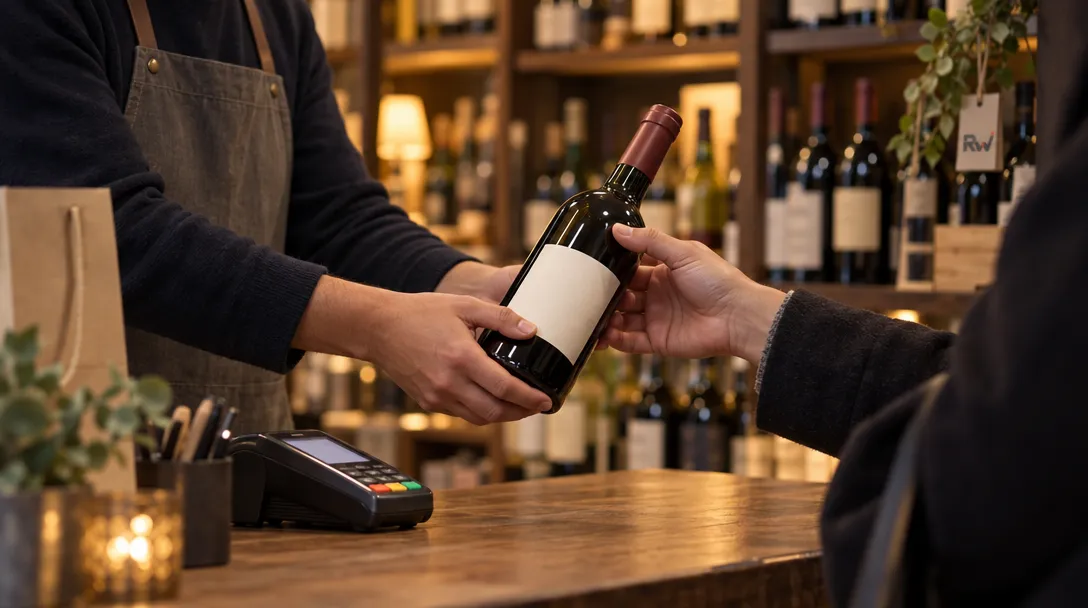
On October 6th, New York-based Sante raised a $15 million Series A led by FINTOP, with returning investors Bonfire Ventures, Operator Collective, Y Combinator and Veridical Ventures. The funding backs CEO and co-founder Darren Fike's effort to turn software built for liquor-store operations into a system that can also help retailers sell more.
Fike started on a shop floor. Y Combinator's company profile says he spent four months working nights and weekends at New York's Frankly Wines, then interviewed more than 100 liquor-store owners. The work exposed a costly problem: independent retailers were using outdated systems for tasks such as receiving inventory, managing delivery orders and connecting customer marketing to sales. Fike had spent about a decade in sales and marketing roles at startups including Fast and Bond before starting Sante, according to YC.
That fieldwork shaped a product for a specific customer with many operational needs. Sante combines point of sale with inventory, e-commerce, delivery-app orders, marketing and other back-office tasks. The company's platform includes invoice scanning that updates stock and unit costs, tools that suggest promotions for slow-moving products, customer segmentation for email and SMS campaigns, and scheduling based on store sales patterns. Sante describes these workflows as AI agents that use store data to handle operational and sales tasks.

Fike described the shift in the funding announcement on PR Newswire: after focusing on operational headaches, Sante wants to build a "growth engine" that drives sales and brings back lapsed customers. Inventory and point-of-sale software can be difficult to replace once it runs checkout and store records. Marketing and merchandising tools give Sante a way to tie its product to whether retailers move products and bring customers back.
From the register to the revenue line
The product thesis follows Fike's route into the industry. In an earlier Sante seed-round post, he framed the company around the mismatch between independent stores' needs and legacy software. The new round announcement describes the next step: use the operational data gathered by a point-of-sale system to recommend pricing and promotions, and target customers based on what they buy.
That move depends on the value and quality of the underlying store data. Sante says its merchandising agent uses item-level sales data to suggest pricing and promotions, while its marketing agent segments customers by purchase history. Those are company descriptions of product capability, not independently tested results. For retailers, the promise is fewer hours spent entering invoices and managing disconnected systems, along with better information for decisions about what to order, promote and staff.
Sante says it serves nearly 1,000 retailers, processes about $2 billion in annual gross merchandise volume and grew 500% over the six months before the Series A. Those figures are company-reported; the announcement does not define the 500% growth measure. GMV is the value of transactions processed, not Sante's revenue. The announcement does not give revenue, retention or profitability figures, so the scale claims show activity on the platform but do not establish how much recurring software or payment income it generates.

A growing category, with room to prove the model
Sante's round follows a $7.6 million seed announced in February, six months earlier. Adding the disclosed rounds puts its announced funding at $22.6 million. The Series A retains the seed backers Bonfire Ventures, Operator Collective, Y Combinator and Veridical Ventures, while FINTOP takes the lead. The release did not state a valuation.
The competitive case is becoming more concrete. Liquor-retail software company Scotch announced its own $20 million Series A in June, led by VMG Partners, and described the same industry problem: independent stores operating on aging software. Sante connects store operations to online sales, marketing and AI-led merchandising. Multiple funded companies are pursuing the market; the harder test is whether retailers will consolidate core workflows on one platform and pay for tools that improve margins, beyond replacing a register.
For Fike, the next stage is to show that software can change business outcomes, building on Sante's direct experience with store operations. Sante says its new agents can identify slow sellers, generate promotions and re-engage customers. Measurable gains from those recommendations would make the platform more valuable than a point-of-sale replacement. If the tools mainly automate existing admin, Sante's growth-engine pitch will be harder to distinguish from the operational software that got it into stores in the first place.