Skild AI open-sources Steel physics solver, says it beats PhysX by up to 13x
Skild says Steel hit 3.90 million environment steps per second on 20 mixed Isaac Lab tasks at 245,760 environments. At a matched batch size of 61,440, Steel reached 3.61 million steps per second and used about 11 GiB of GPU memory to PhysX's 29 GiB.
By Ryan Merket · Published
Primary source: x.com
Why it matters
Steel addresses the cost of simulating many different manipulation tasks at once, a bottleneck for training general-purpose robot policies. Skild has published the code, the solver design, and benchmark conditions, so outside teams can test the peak throughput figure and memory footprint.
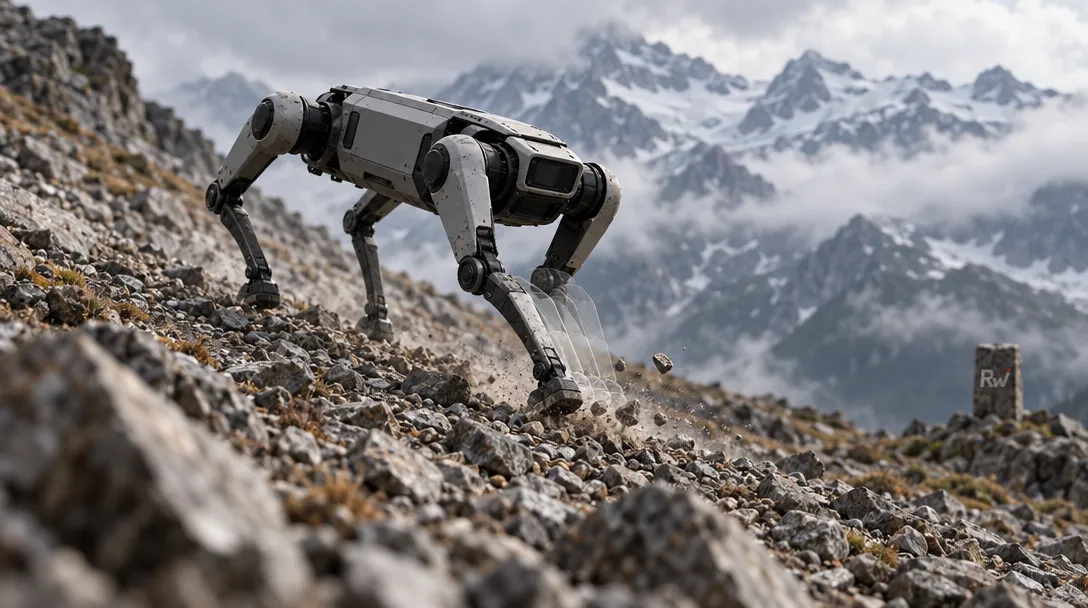
Skild AI open-sourced Steel on November 9th, a GPU-accelerated rigid-body physics solver built with NVIDIA for training robots on diverse manipulation tasks. Skild AI (@SkildAI) announced the release in a thread on X, saying Steel runs up to 13x faster than PhysX while using roughly 3x less GPU memory in its heterogeneous test.
When you purchase through links in our articles, we may earn a small commission. This doesn’t affect our editorial independence.