Head to head: Wan vs Meta Muse Image Edit
Wan vs Meta Muse Image Edit
By Ryan Merket · Published

Wan and Meta Muse Image Edit face off across eight image tasks testing spatial relationships, object attributes, counting, palette limits, and exclusions. The prompts range from detailed interiors and workbenches to tightly constrained object arrangements.
Meta Muse Image Edit leads the saved aggregate **68.3 to 54.1** and takes all eight task verdicts, with no ties. That makes this a decisive result on this task sample—not a statistical claim or a verdict about image models in general. The clearest gap is in scenes where legibility and detail matter: Muse’s robotics bench better preserves the requested object relationships, its close-up more convincingly conveys stunned disbelief, and its blueprint makes all 11 devices easy to count. It also earns the spatial-layout verdict for a more finished, readable room composition. That sweep doesn’t mean every output was clean. Both models struggled with the strict four-color palette, and some judgments flagged vegetation despite a no-plants constraint. Wan had real strengths in the dusk campsite and the tabletop’s object-color bindings, but those did not change the saved verdicts for those tasks. **Call: Meta Muse Image Edit wins this matchup decisively on the saved task sample, chiefly through clearer, more complete compositions—not by flawless constraint-following.**
Spatial relationships
A crisp isometric product-render illustration of a cluttered robotics workbench in a startup lab, 16:9: a translucent teal tablet showing a circuit schematic lies flat at the center; a brass gyroscope sits directly on top of the tablet; a matte black micro-drone is hovering behind the tablet; a red ceramic espresso cup is to the left of the tablet; a silver soldering iron is to the right of the tablet; and a tiny yellow memory card is placed exactly between the espresso cup and the tablet; cool overhead LED lighting, precise shadows, ultra-clean industrial design aesthetic.
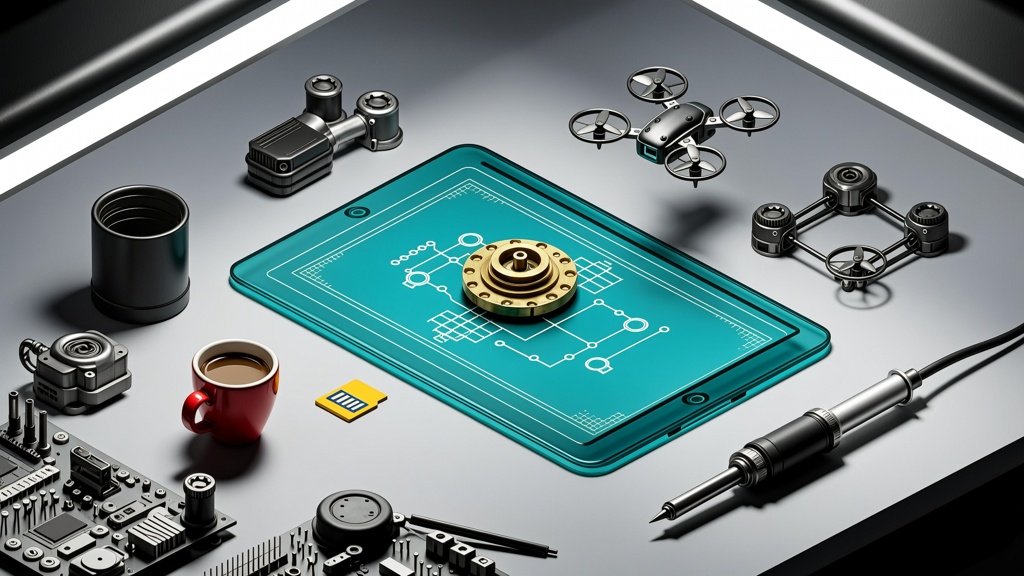
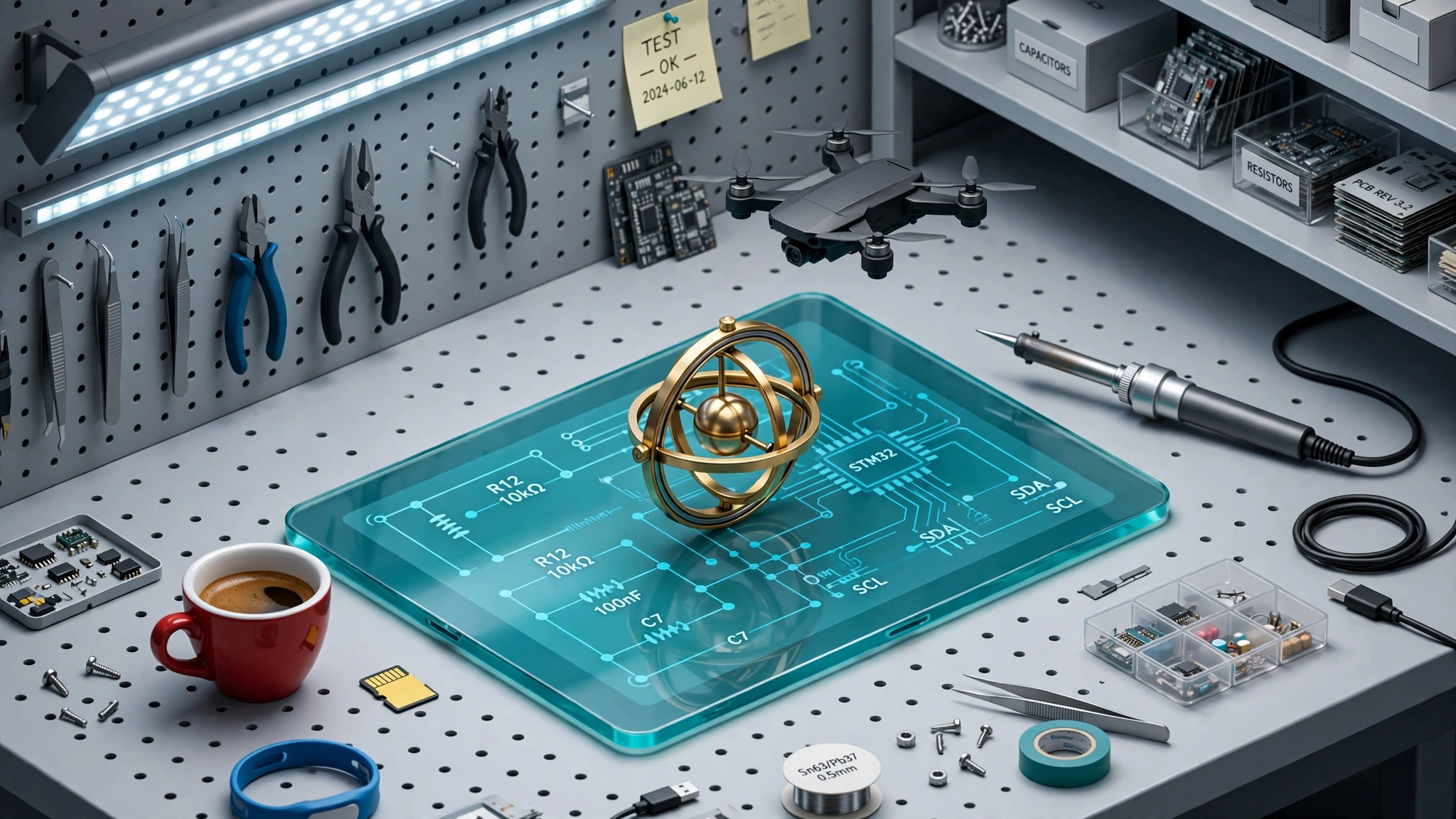
OpenAI: GPT-6 Luna: Model B more fully realizes the cluttered robotics workbench while clearly preserving the requested spatial relationships, with the hovering drone behind the tablet and the card between the cup and tablet. Model A has a crisp isometric look, but its extra drone and less developed lab setting make the composition feel less aligned with the prompt. (Second judge pass, order swapped — scores are the average of both: Model B more fully realizes the cluttered robotics workbench and clearly places eve | Anthropic: Claude Fable 5.1: Both models place the tablet, cup, soldering ir…
Negation & exclusion
A moonlit cyberpunk repair kiosk on a rainy side street, painted as a meticulous neon-noir concept art scene, 16:9: glowing vending drawers of replacement phone screens, coils of charging cables, a workbench with opened handheld consoles, puddles reflecting magenta signage, and a hooded technician under a clear umbrella — but the street must contain absolutely no cars, buses, motorcycles, bicycles, or any other vehicles; cinematic rim lighting, wet asphalt reflections, deep perspective.
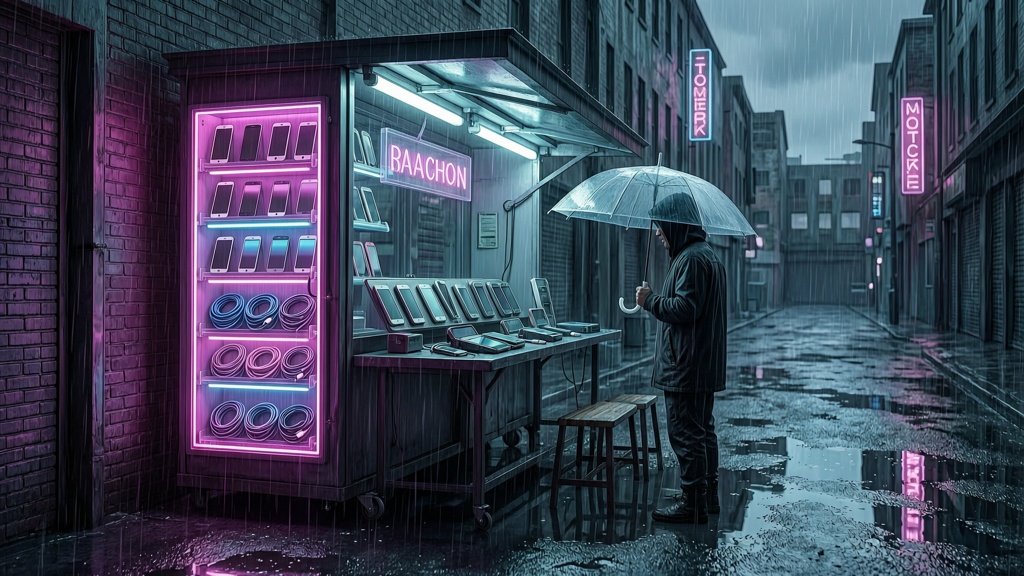
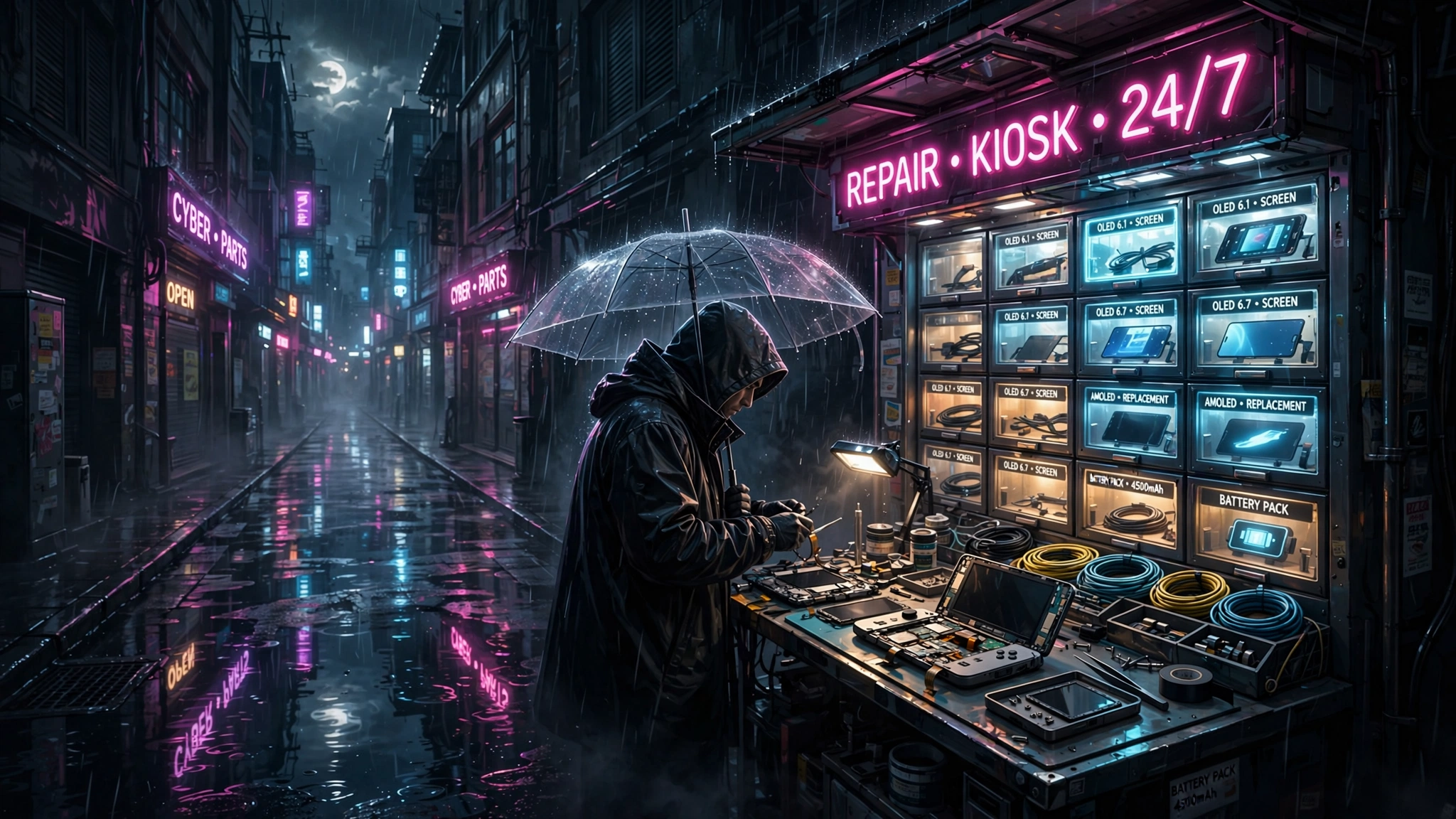
OpenAI: GPT-6 Luna: Model B more fully realizes the moonlit neon-noir kiosk, with visible repair work, replacement screens, cable coils, and a strong rain-soaked street perspective; neither image shows vehicles. Model A follows the setup well, but Model B is more cinematic, detailed, and polished. (Second judge pass, order swapped — scores are the average of both: Model B more fully delivers the requested neon-noir kiosk, detailed repair bench, cables, umbrella, rain, and deep reflective street, with no vehicles vi | Anthropic: Claude Fable 5.1: Model B delivers a far richer neon-noir scene w…
Emotion & facial expression
A close-up editorial portrait of a young hardware engineer at a midnight prototype demo, rendered in realistic photography style: she is holding a cracked transparent smartphone and convincingly expressing stunned disbelief — wide eyes, slightly parted lips, tense brow — as if an impossible message just appeared on the screen; server racks blurred in the background, cool blue monitor glow mixed with a narrow warm desk lamp, shallow depth of field, off-center composition.
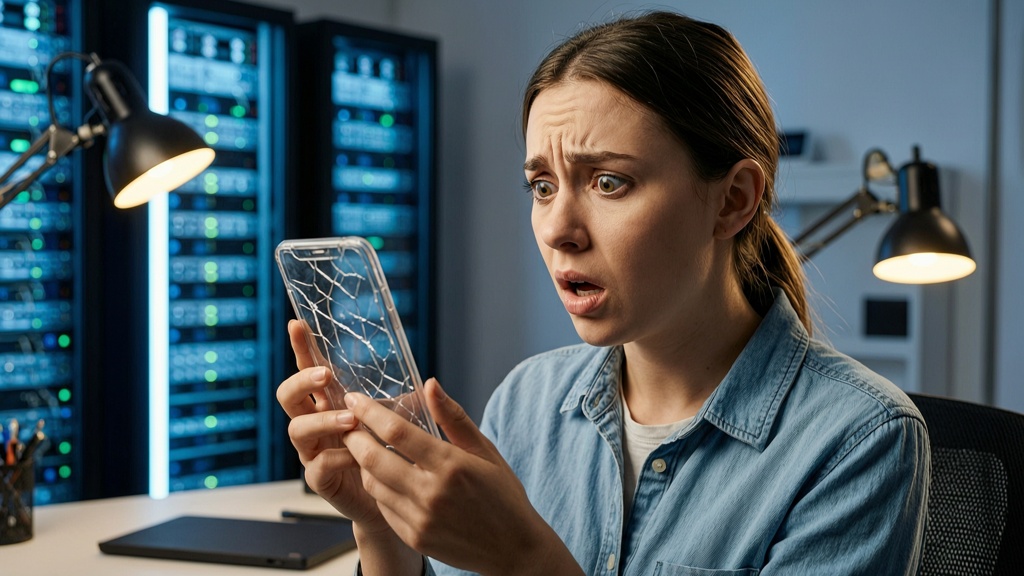
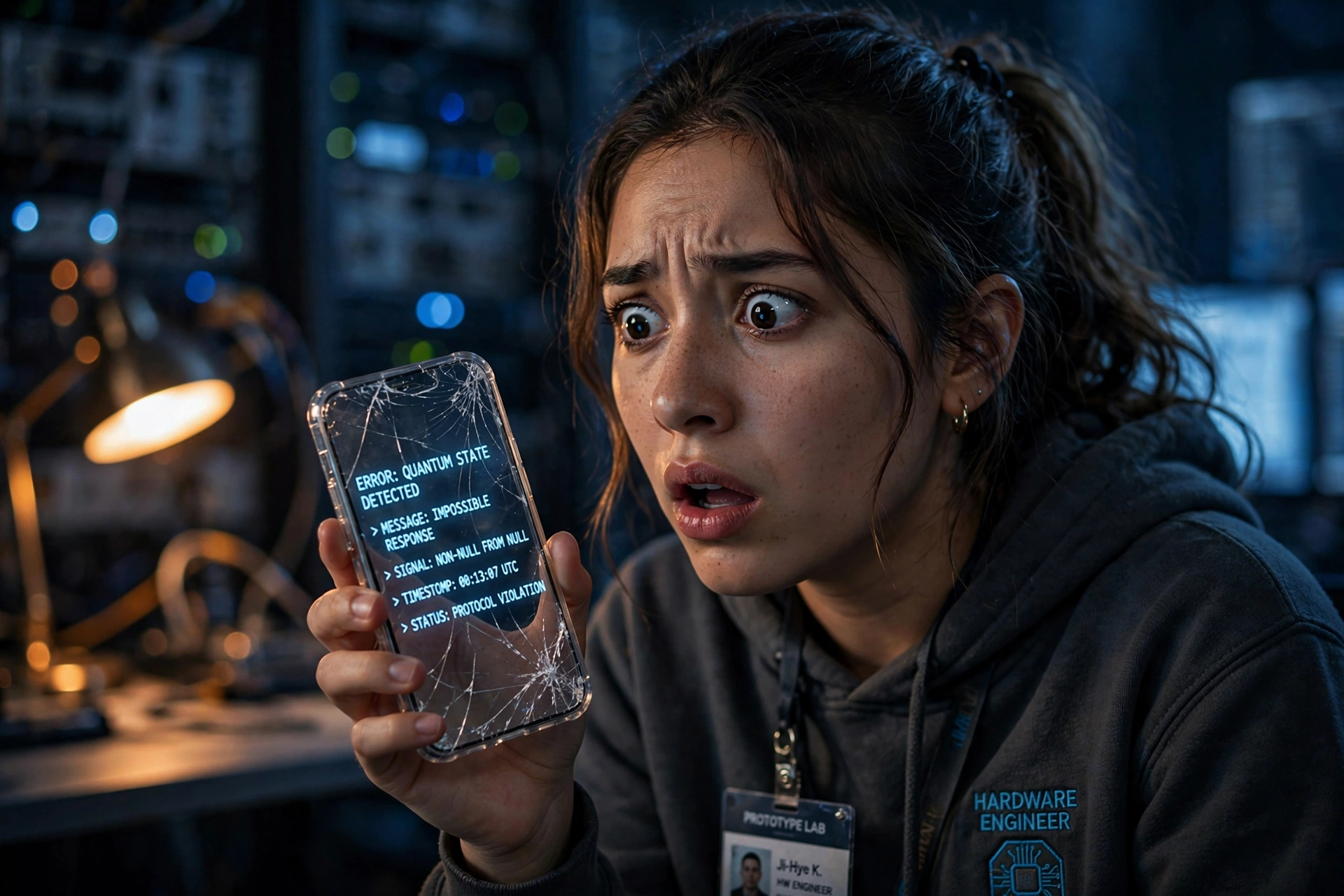
OpenAI: GPT-6 Luna: Model B more strongly conveys stunned disbelief in a tight editorial close-up, and its cracked phone displays an impossible-message-like alert amid the blurred, warmly and coolly lit prototype lab. Model A has a convincing expression and strong setting, but the phone screen is blank and the framing is less intimate. (Second judge pass, order swapped — scores are the average of both: Model B more convincingly captures stunned disbelief with wide eyes, parted lips, and a tense brow, while its crac | Anthropic: Claude Fable 5.1: Model B nails the midnight atmosphere with cool…
Restricted palette
A flat-vector illustration of a mountain campsite at dusk using ONLY four colors — cream, burnt orange, teal, and charcoal — with no gradients and no stray off-palette colors, balanced composition, 16:9.
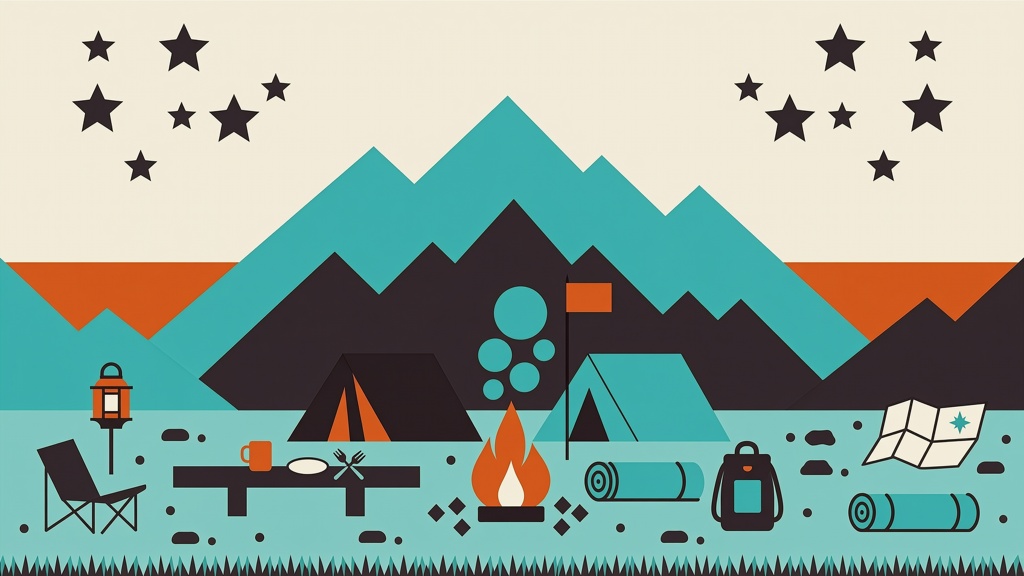

OpenAI: GPT-6 Luna: Model A better captures dusk with its burnt-orange horizon and presents a clearly equipped campsite, while Model B reads more as a moonlit night and gives more space to the mountains. Model B is polished and visually striking, but both images appear to use tonal variations beyond a strictly limited four-color palette. (Second judge pass, order swapped — scores are the average of both: Model A has a more balanced, legible campsite composition and a stronger dusk effect from the burnt-orange horiz | Anthropic: Claude Fable 5.1: Model A keeps a dusk-like cream sky but reads a…
Negation
A cozy reading nook with an armchair, a stack of books, and a mug of tea by a window — with absolutely NO plants, NO lamps, and NO artwork or picture frames anywhere in the frame. Warm afternoon light, 16:9.
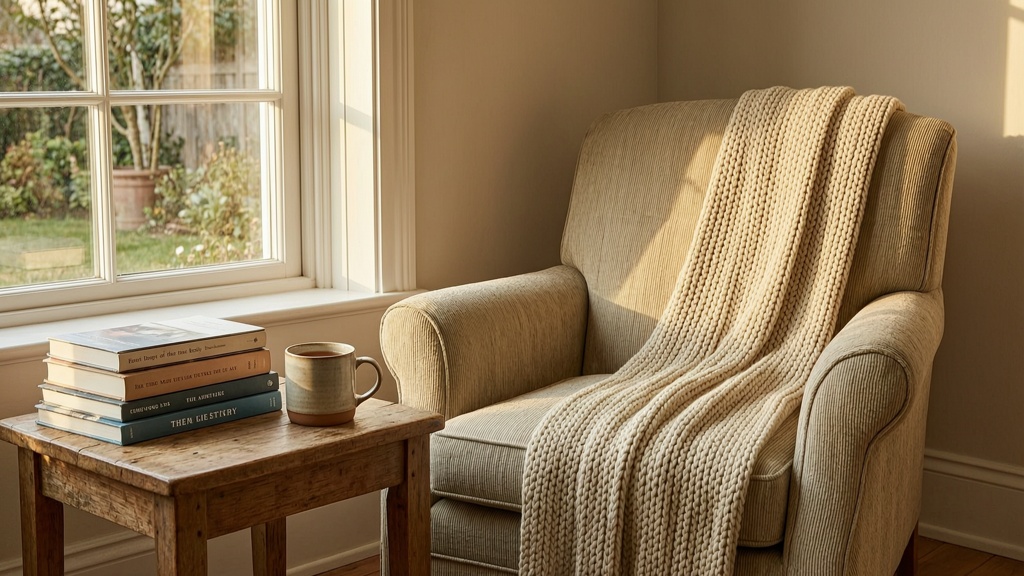
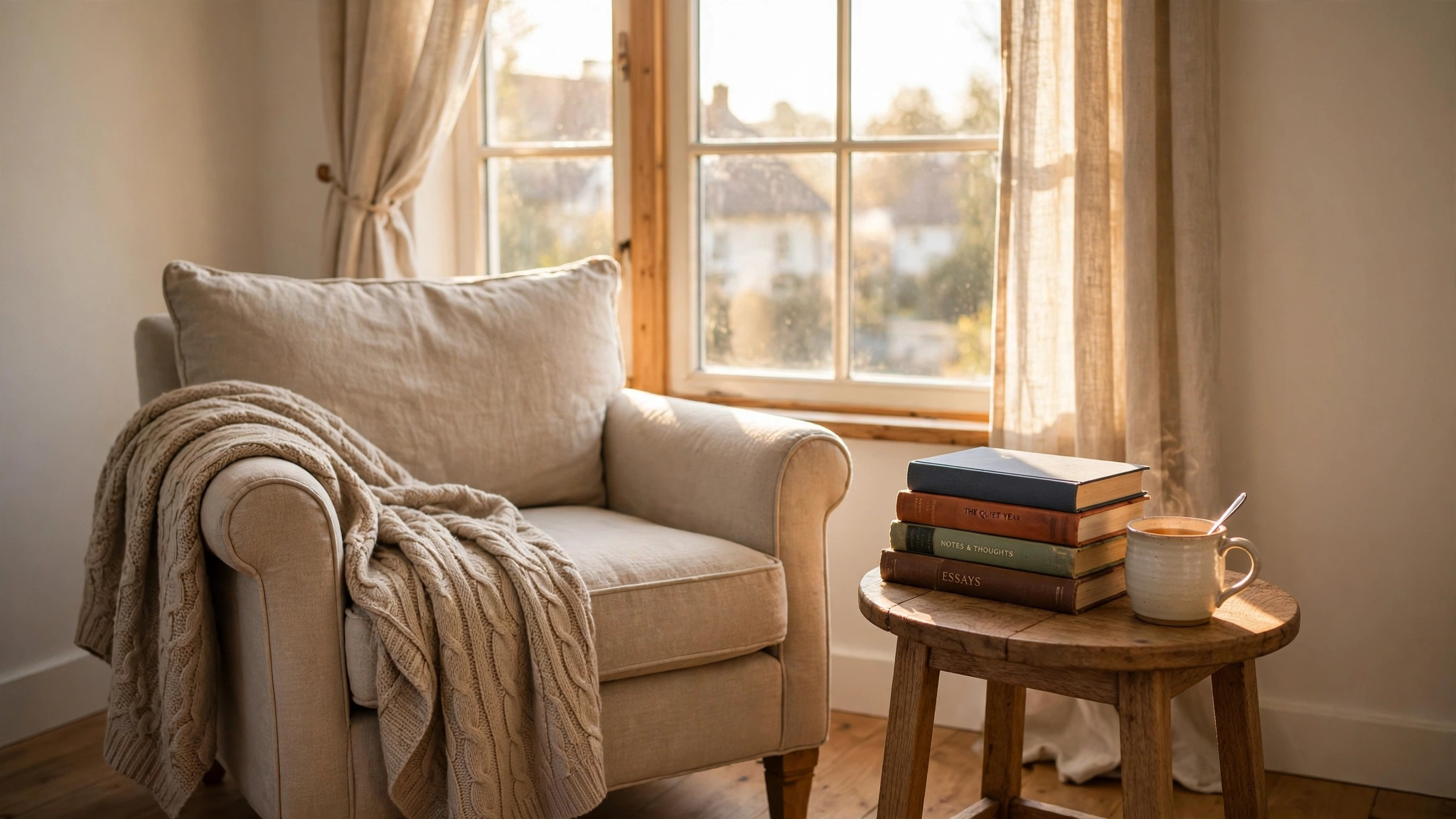
OpenAI: GPT-6 Luna: Model B has a more balanced, polished composition, while both images include visible outdoor vegetation through the window despite the explicit no-plants constraint. Model A matches the requested 16:9 format, but Model B’s vegetation is less prominent and its overall scene feels especially inviting. (Second judge pass, order swapped — scores are the average of both: Model B includes the requested reading-nook elements and warm afternoon light while avoiding visible plants, lamps, and artwork. Mo | Anthropic: Claude Fable 5.1: Both Model A and Model B deliver the armchair,…
Spatial layout
A clean isometric illustration of a bedroom: a bed against the LEFT wall, a round rug centered on the floor, a desk under the WINDOW on the back wall, and a floor lamp in the FRONT-RIGHT corner. Flat-vector style, consistent perspective.
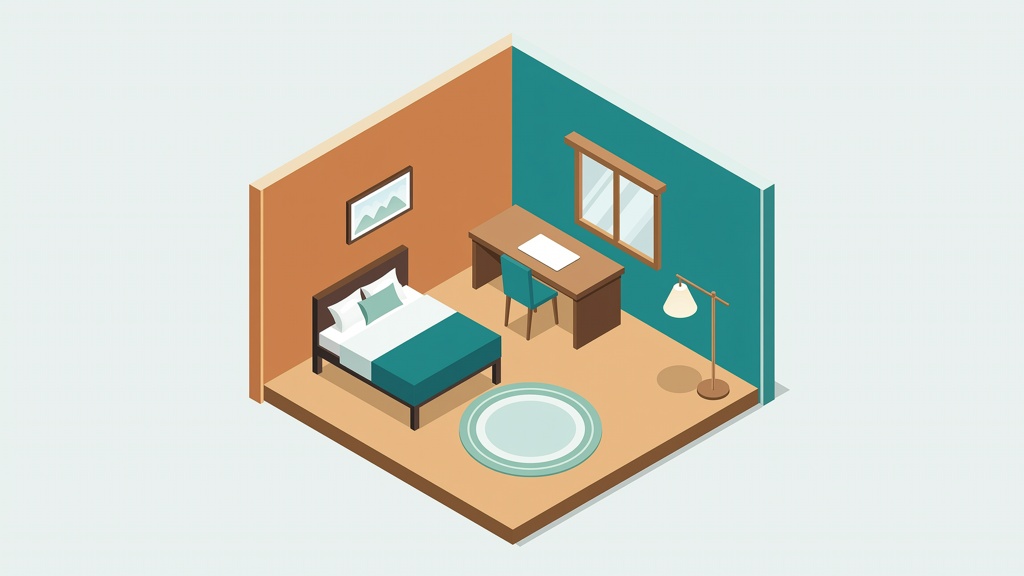
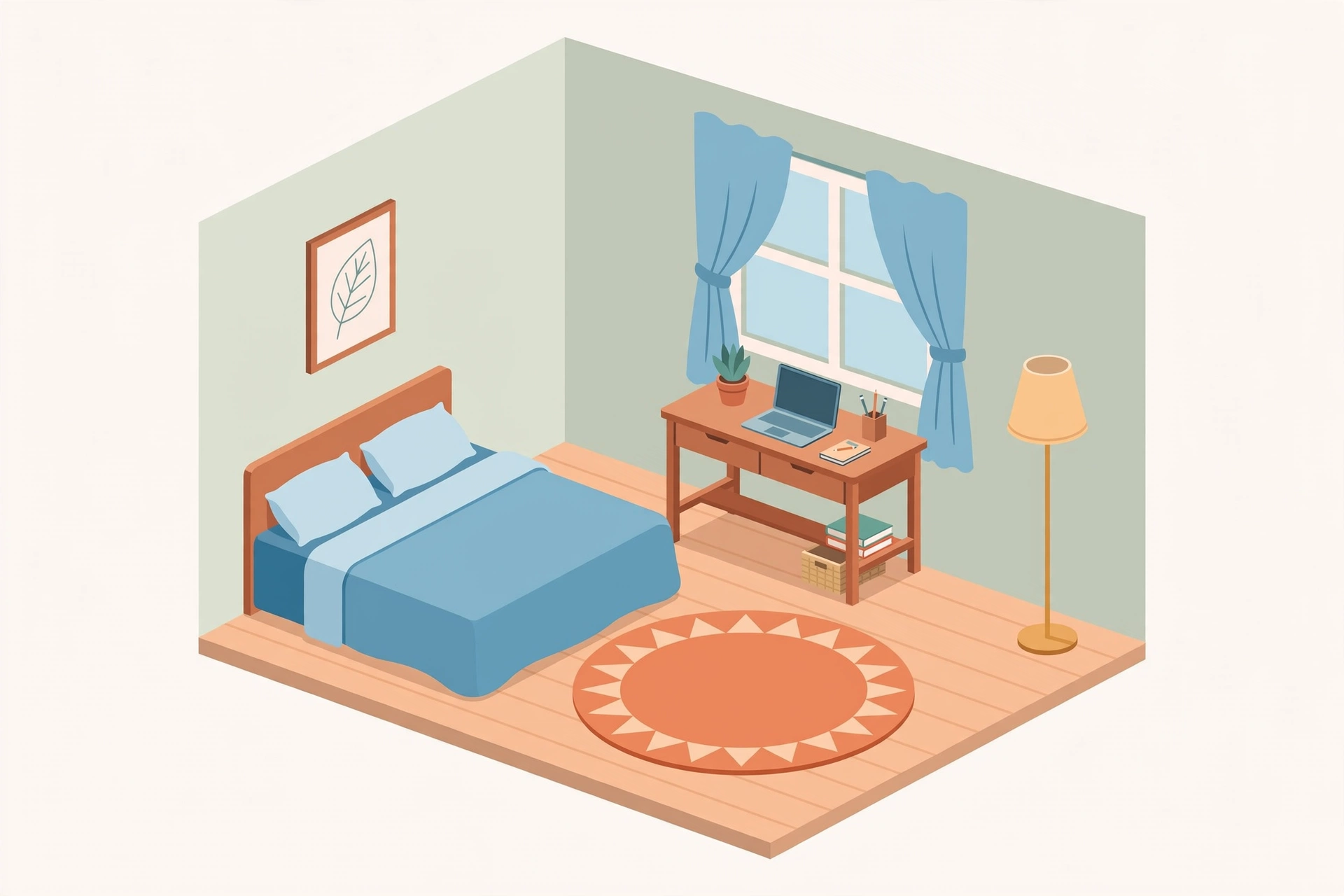
OpenAI: GPT-6 Luna: Both images place the bed, rug, desk, and floor lamp in the requested locations, but Model B presents the room more clearly and with richer, polished flat-vector details. Model A is clean and faithful, though its smaller, sparser composition feels less finished. (Second judge pass, order swapped — scores are the average of both: Model B clearly places all requested furniture and features in the specified positions, with a polished, consistent isometric flat-vector style. Model A also follows the | Anthropic: Claude Fable 5.1: Model B places every element correctly—bed on t…
Attribute binding
A photorealistic tabletop scene: a matte green cube to the LEFT of a glossy red sphere, a small blue cylinder BEHIND both, and a single yellow rubber duck sitting ON TOP of the cube. Colors must stay on the correct objects. Soft studio light, 16:9.
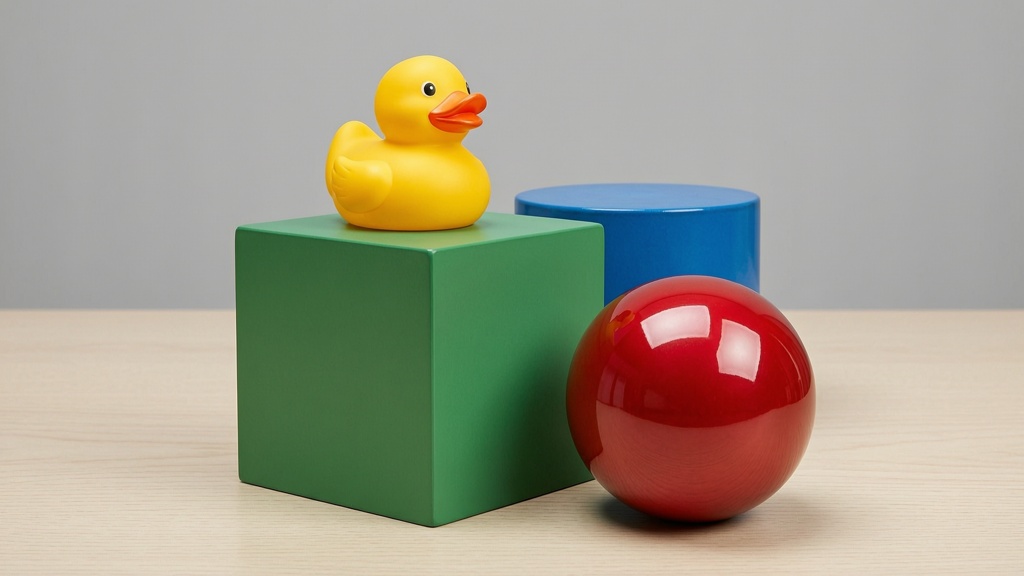
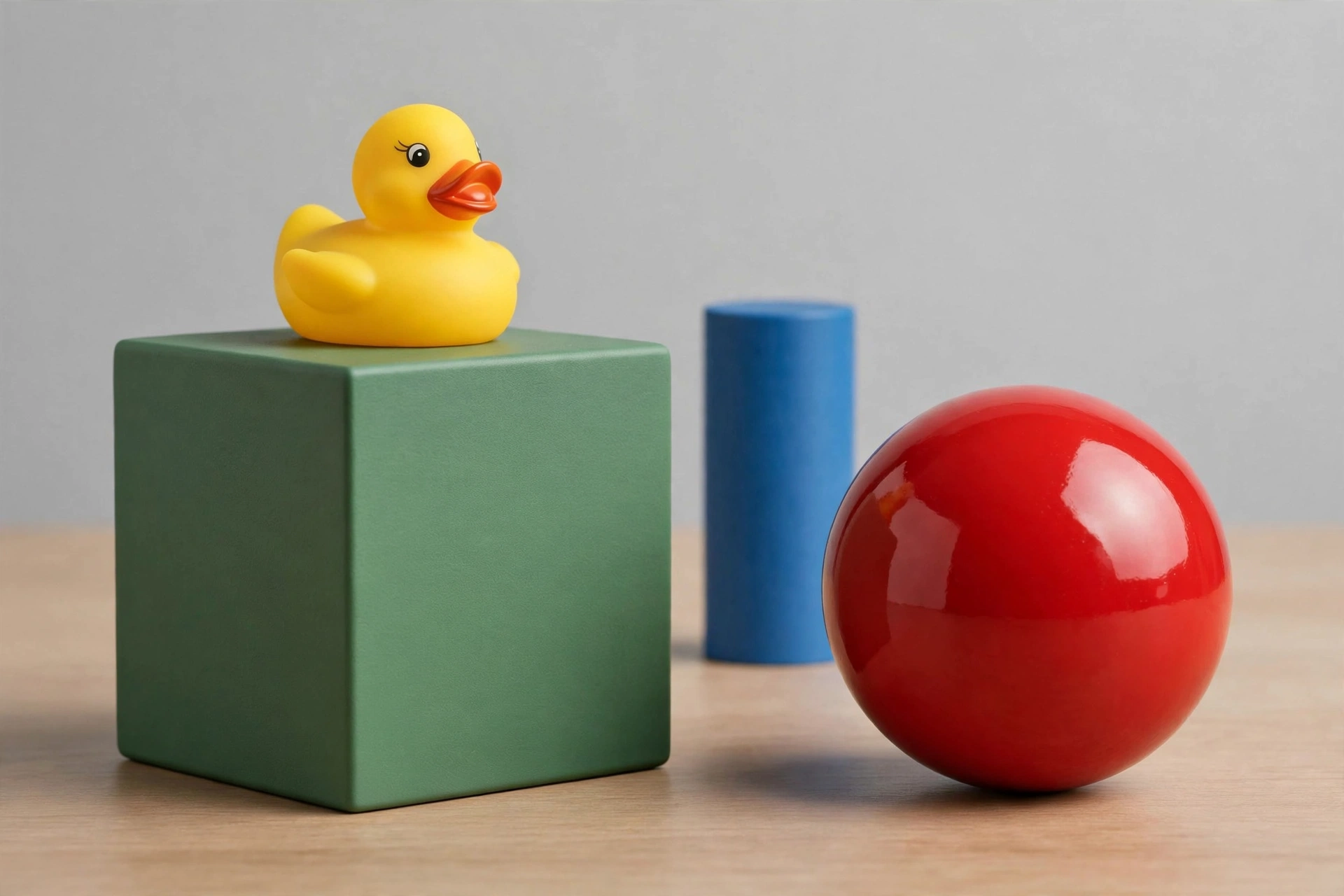
OpenAI: GPT-6 Luna: Model A follows the requested 16:9 tabletop composition and clearly shows the green cube, red sphere, blue cylinder behind them, and yellow duck on top. Model B also binds the objects and colors correctly, but its framing is much less wide and the cube reads more like a rectangular block. (Second judge pass, order swapped — scores are the average of both: Model B more clearly preserves the cube-left-of-sphere arrangement while placing the blue cylinder behind both, and its spacious tabletop comp | Anthropic: Claude Fable 5.1: Both get all color-object bindings and spatial…
Object counting
A clean blueprint-style technical drawing poster of a retro-futurist desktop gadget collection on a drafting table, 16:9: show exactly 11 distinct handheld electronic devices, all fully visible and individually countable — 1 foldable communicator, 2 pagers, 1 mini cassette recorder, 3 MP3 players, 2 graphing calculators, 1 GPS receiver, and 1 game handheld — arranged in neat rows with labels and fine measurement lines; cyan lines on deep navy background, precise orthographic presentation, even studio lighting.
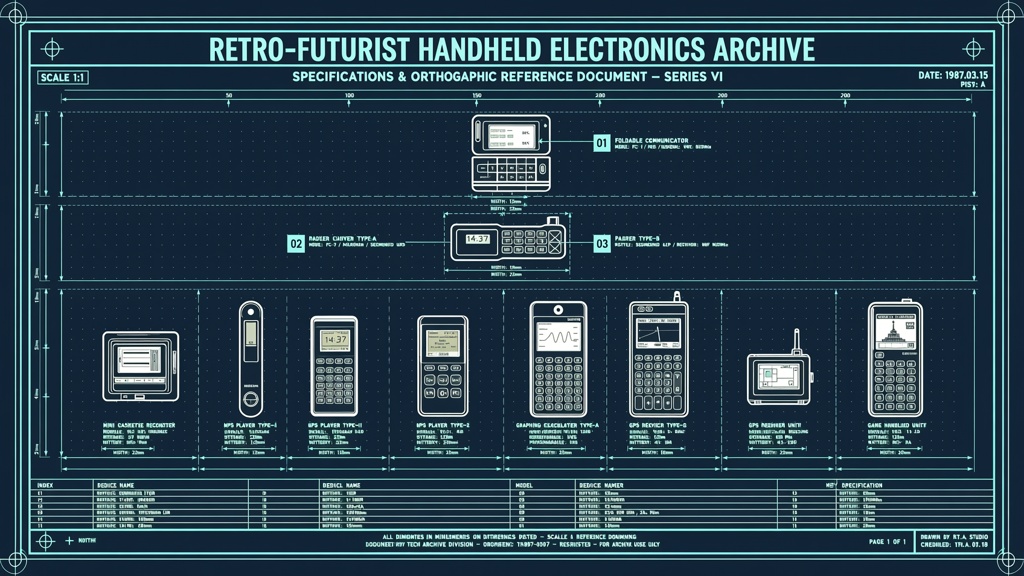
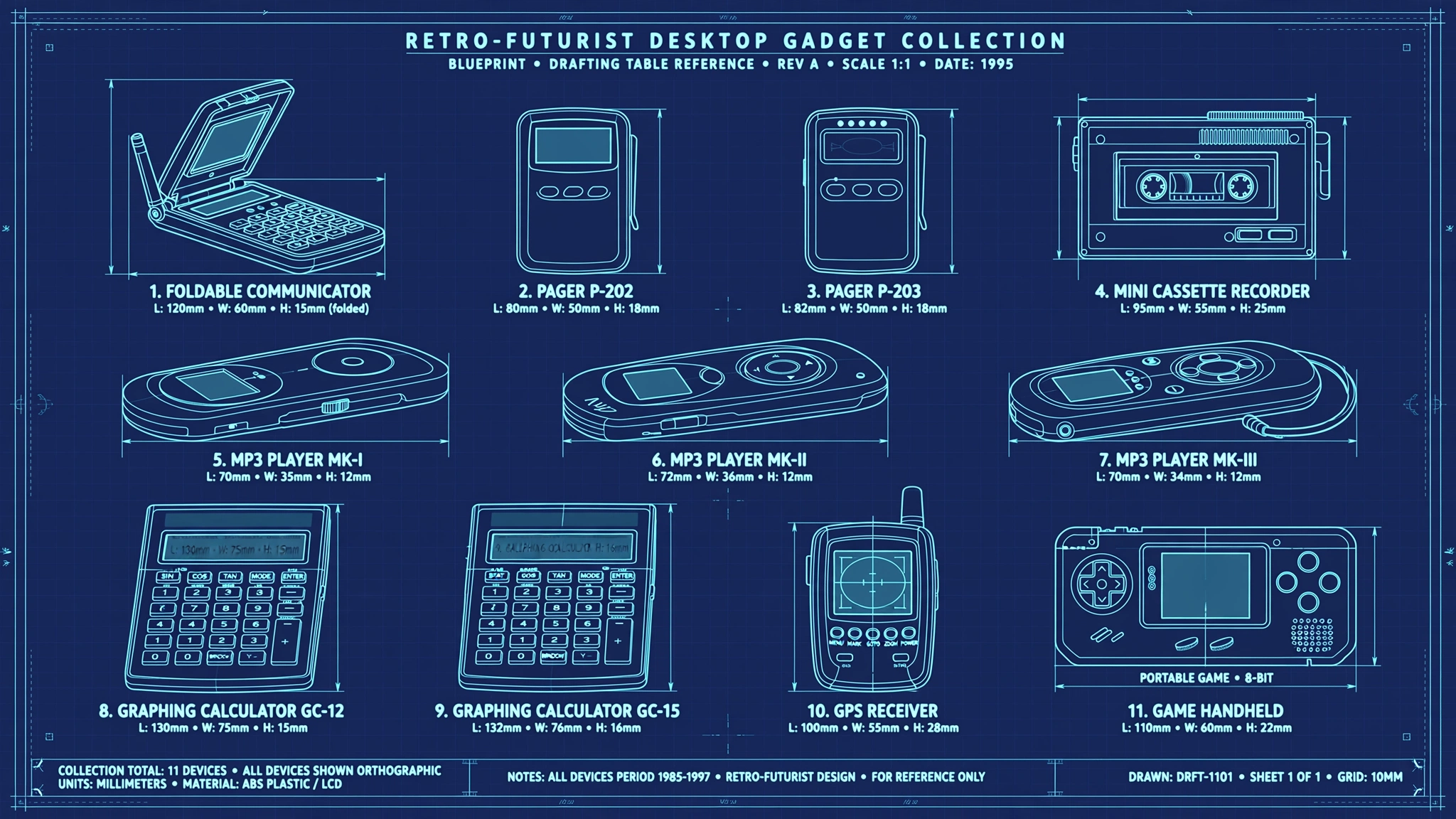
OpenAI: GPT-6 Luna: Model B clearly presents exactly 11 individually numbered devices in the requested categories, with legible labels and precise blueprint styling. Model A has a crowded, ambiguous layout that makes the exact count and device categories difficult to verify, and its small text is less legible. (Second judge pass, order swapped — scores are the average of both: Model B presents exactly 11 large, individually countable devices and clearly labels the requested category breakdown in a polished blueprin | Anthropic: Claude Fable 5.1: Model B shows exactly 11 clearly countable devi…
Matchup powered by OpenRouter.