Colossal 的 AI 映射了大约 2,300 个渡渡鸟基因编辑靶点以供测试
Colossal 的首席执行官 Ben Lamm 表示,GenoMorph 使用来自超过 70 种鸟类的数据来确定编辑优先级;这些预测仍需在实验室中进行验证。
By RuntimeWire Staff · Published
Primary source: TechCrunch
为何重要
GenoMorph 展示了 Colossal 如何将灭绝物种复活研究转化为计算生物学基础设施。其针对渡渡鸟的 2,300 个靶点是实验的起点,而非已验证的编辑或商业产品的证明。
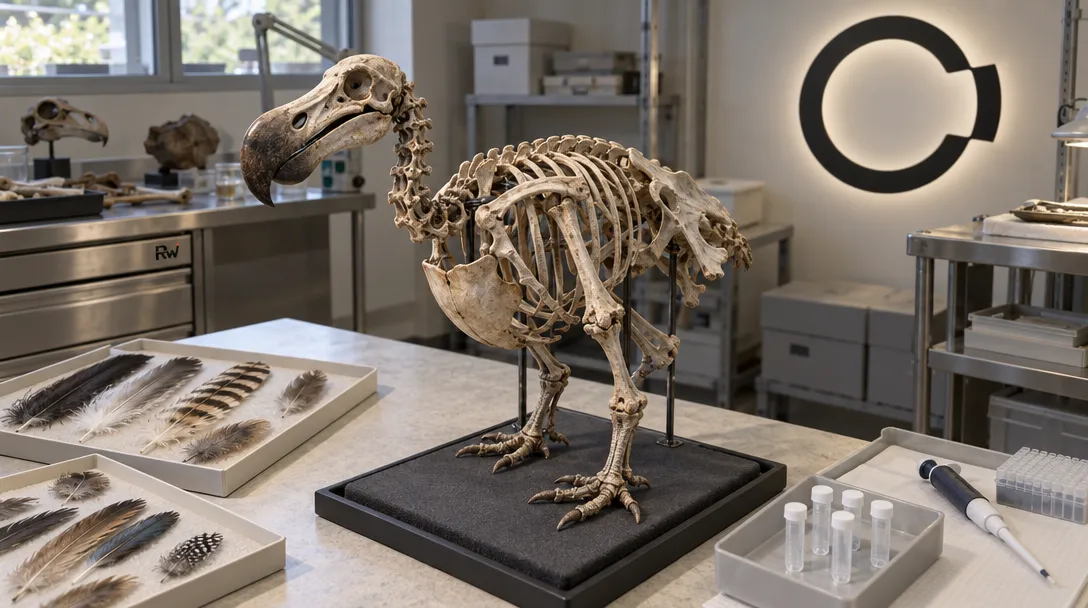
Colossal says its GenoMorph AI combines developmental and comparative data from more than 70 bird species to prioritize roughly 2,300 candidate gene-editing targets tied to dodo appearance. The company emphasizes these are testable hypotheses, not validated edits, and plans lab experiments using lipid nanoparticles and Nicobar pigeon cells to evaluate effects. The announcement also drew an outside financing signal via NeoGenesis Capital, while GenoMorph is presented as an internal research tool rather than a commercial product.
Colossal Biosciences 联合创始人兼首席执行官 Ben Lamm 表示,Colossal 已经构建了一套 AI 平台,以帮助研究人员在努力重建渡渡鸟特征的过程中选择要测试的基因变更。该系统名为 GenoMorph,根据 10 月 14 日的 TechCrunch 的报道,已浮现大约 2,300 个候选靶点。
对 Lamm 来说,该平台解决了“复活灭绝物种”研究中的一个限制:灭绝物种通常留给研究人员的 DNA 太少,无法直接比较遗传变异。与约 100 个猛犸象基因组相比,Colossal 只有一个渡渡鸟基因组可供使用。他在接受 TechCrunch 采访时表示,他的方法是利用现存鸟类的数据来推断哪些遗传开关可能塑造这只已灭绝鸟类的外部特征。…
When you purchase through links in our articles, we may earn a small commission. This doesn’t affect our editorial independence.