Elon Musk wants you to send Grok a photo of your credit card
Musk described uploading a card photo and said Grok bought LEGO from its website; the product's documented checkout uses an approval step and Stripe Link.
By Ryan Merket · Published
Primary source: X
Why it matters
Grok Bot's shopping pitch moves AI from recommending a product to initiating a purchase. The documented workflow relies on an approval step and Stripe Link, putting payment permissions and merchant checkout at the center of the product experience.
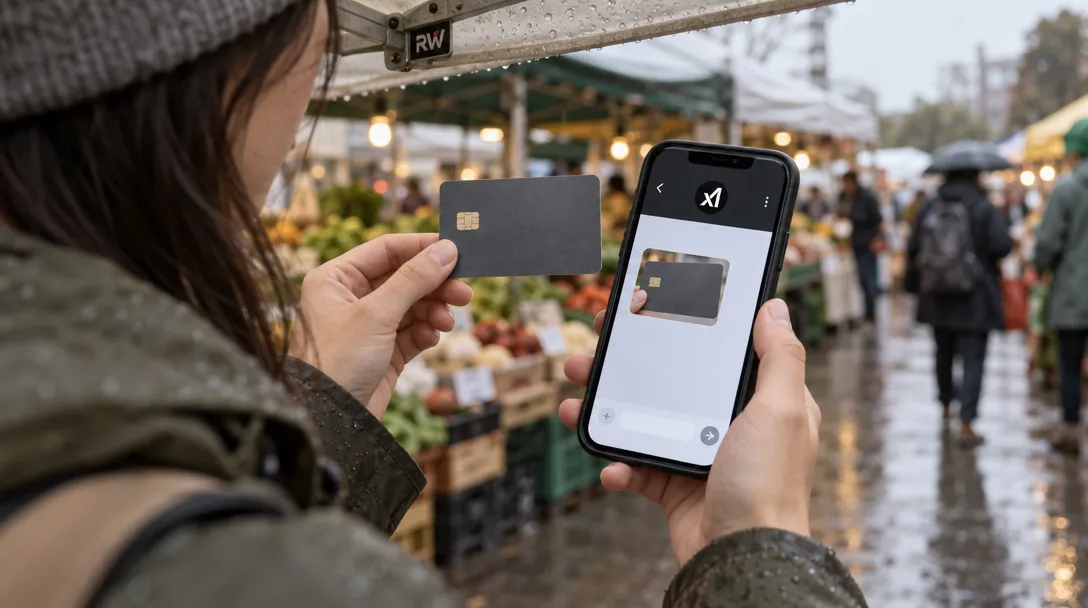
Elon Musk said on October 10th that Grok Bot can search for the best price on a requested item and place the order, describing a workflow in which users send the bot a photo of a credit card. In a follow-up post, Musk said he had ordered LEGO and that Grok bought it from LEGO's website. Those are Musk's claims about the product; the thread does not establish how the card-photo flow handles payment information or how the bot ranks offers.
The transaction step has a documented counterpart. Grok Bot's official changelog says a purchase request displays an amount for the user to allow or deny, after which Link completes the payment. Stripe's description of Link for agents identifies Grok Bot among the agents using its wallet for consumer spending. Stripe says Link uses a payment token or one-time virtual card for a transaction, rather than giving an agent the buyer's underlying card details. Musk's photo example and this documented wallet-based checkout are different descriptions of payment setup; the company materials reviewed do not explain how they connect.

A product search can return options; placing an order requires a bounded source of funds, a clear amount to approve, and a route through merchant checkout. The changelog describes an approval card and Link payment. Musk's post emphasizes the unusually simple input - a card image - without spelling out the authorization and security steps around it.
Stripe's September 29th update said purchases made through Link by AI agents rose 38 times over the preceding month. Stripe did not pair that growth figure with an absolute transaction count in the post, so it describes a rate of change rather than the scale of agent-driven shopping. The same update discusses checkout obstacles, price changes after approval, and purchase protections - evidence that completing an order remains a payments and merchant-integration problem as much as a model task.

Grok Bot is designed to carry out multi-step tasks across websites and apps, including tasks beyond chat responses. Its launch announcement on August 11th described bots that work on their own cloud computers and return when a task needs user approval. The current Grok Bot overview says bots can use a browser and other tools, while also noting that websites can block automation or require a human step. Shopping makes those limits concrete: product listings, stock, shipping charges, taxes, login requirements, and checkout flows can vary from one merchant to another.
The current pricing page lists Grok Bot access with SuperGrok, shown at $30 per month. The price covers access; the page does not list a separate shopping fee or say what a completed purchase costs to operate.
Musk has worked on digital commerce before: he co-founded X.com, an online financial-services company that merged with Confinity and became PayPal. The Grok Bot pitch applies an AI agent to the basic consumer task of deciding where to buy and initiating payment, while putting the assistant between shoppers and merchants. Whether that becomes a useful shopping channel depends on more than finding a low listed price. Users need to know what the bot will buy, what they will approve, and which payment credentials the process exposes.