Google DeepMind says AI agents found two weaknesses in legacy 1024-bit RSA
The lab said modern 2048-bit RSA remains safe from these specific exploits and argued cryptographic standards need continuous stress-testing.
By Ryan Merket · Published
Primary source: x.com
Why it matters
The claim is bounded to legacy 1024-bit RSA, but it tests a core assumption behind AI-for-science: agents can speed up the search for flaws in formal systems. For operators, the practical job is finding any legacy keys still in production before AI-assisted analysis makes probing them cheaper.
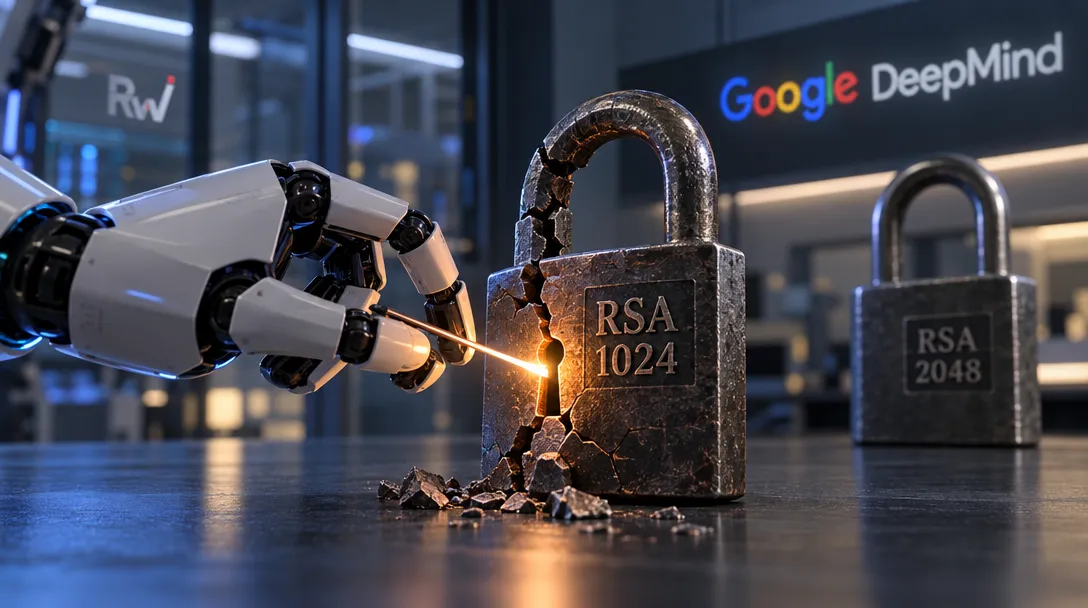
Google DeepMind said on November 6th that human-guided AI models uncovered two major weaknesses in legacy 1024-bit RSA cryptosystems. In a two-post thread on X, Google DeepMind framed the result as research into how AI agents can accelerate the science of stress-testing encryption.…
When you purchase through links in our articles, we may earn a small commission. This doesn’t affect our editorial independence.