Wally raises $25M to expand its insurance-free dental clinics
Maveron led the October 7th round, joined by Bling Capital and Jack Abraham, as Wally targets 100 locations by the end of 2027.
By Ryan Merket · Published
Primary source: Wally
Why it matters
Wally is using venture capital to scale a clinic-based subscription model in which technology supports care delivery, while clinicians and local sites remain essential. The expansion will test whether its reported membership and retention can support repeatable operations across 100 locations.
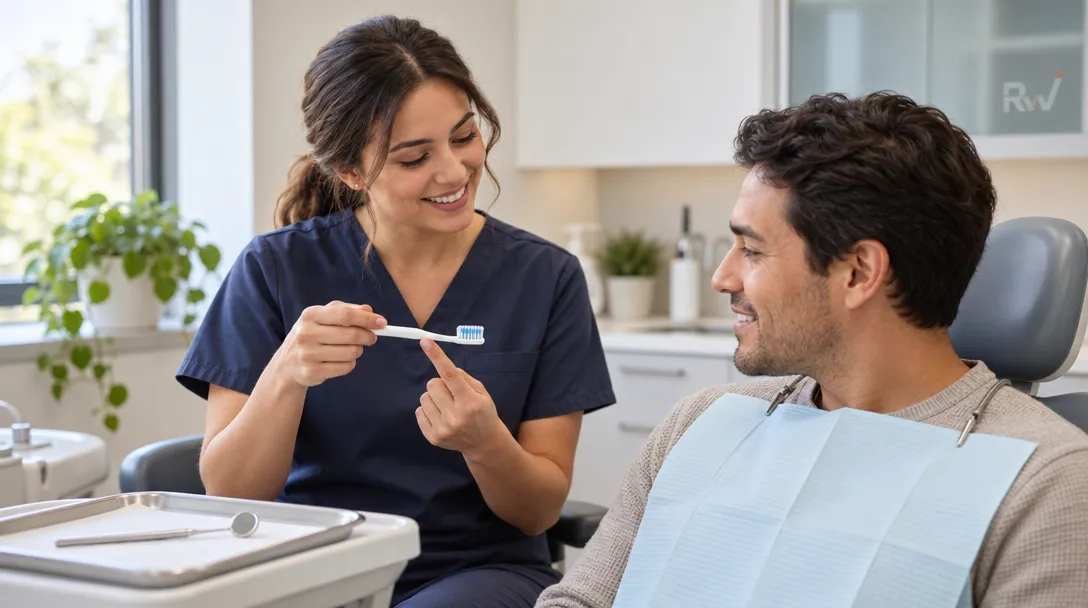
Wally raised $25 million in Series A funding led by Maveron, with participation from Bling Capital and angel investor Jack Abraham, to expand its subscription-based dental clinics. The New York company also announced a strategic partnership with EMS Dental, whose AIRFLOW technology Wally uses for cleanings, in its October 7th announcement.
For co-founder and CEO Tyler Burnett, the pitch grew out of a dental visit he has described as a personal turning point. In a 2022 interview about Wally's origins, Burnett said a dentist recommended eight fillings; after seeking second and third opinions, he said he learned that seven were unnecessary. Burnett is not a dentist. He and co-founders Stipe Latkovic and Chelsea Acosta Patel built Wally around the idea that a clinic focused on prevention, with predictable pricing, could give patients an alternative to insurance-billed visits.
Wally charges $249 a year for unlimited cleanings and diagnostics, according to its membership information. The company says appointments use AIRFLOW cleaning equipment, digital X-rays, 3D intraoral scans, saliva tests and AI-supported detection, with patient data available through its app. Members book visits at Wally studios, where clinicians deliver the services. Wally says its software also supports scheduling, clinic operations and appointment workflows.
Wally's FAQ says it does not provide restorative dentistry such as fillings, root canals or implants; patients needing that work are referred to specialists. The subscription depends on repeat preventive visits and keeping the relationship useful when members need care beyond the subscription. Wally says it also offers early-stage cavity treatments and discounts on products including nightguards and clear aligners, but those services are distinct from the unlimited-cleanings membership.

Wally says it has more than 50,000 members across 15 locations in New York City, Philadelphia, Jersey City and Chicago. It reports an average of three visits per member annually, a 4.9-star rating and 97% hygienist retention. Those are company-reported figures, and the announcement does not connect them to revenue or clinic-level profitability. The member count offers investors a measure of demand, while the economics of running each location will shape how Wally expands.
Wally plans to grow from 15 locations to 100 by the end of 2027, adding 85 clinics in roughly 15 months from the announcement. The company named Washington, D.C., Atlanta, Austin and Miami as initial markets. Meeting the target will require Wally to hire clinicians and replicate clinic operations across new cities while maintaining appointment access and service quality.
The round will fund physical expansion and the technology Wally says helps coordinate care. Software is part of the operating model, but customers still need local clinicians, equipment and clinic capacity. Maveron's lead gives the expansion a consumer-focused backer, while Bling Capital and Abraham are returning investors, according to Wally's announcement. The round's size is disclosed; Wally did not provide a valuation.
Wally's bet is that patients will pay directly for more frequent preventive care when the annual price and included services are clear. Reaching 100 locations will test whether the company's reported membership and retention figures can translate into a model that works beyond its existing markets.